At Liobate, we recognize that the future of data transmission hinges on developing innovative technologies. Photonic integrated circuits (PICs) represent a transformative leap in this arena, enabling faster, more efficient communication systems. Understanding the significance of these circuits, particularly our TFLN photonic chips, is vital for businesses looking to enhance their operational capabilities.
Enhancing Data Transmission Capabilities
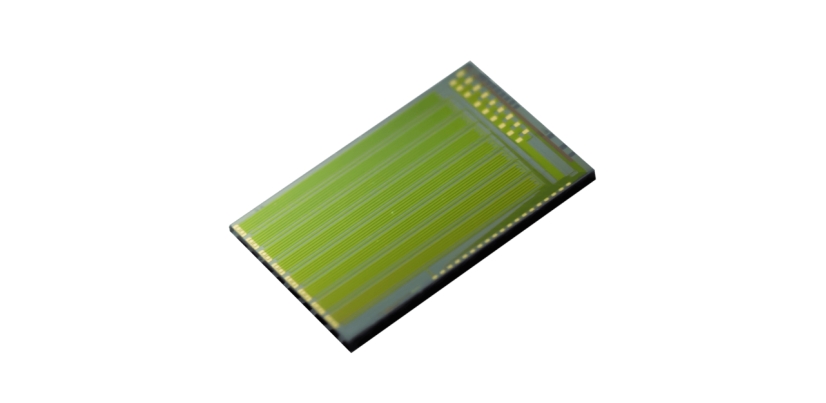
Photonic integrated circuits utilize light to transmit data, significantly improving speed and efficiency compared to traditional electronic methods. Our Thin-Film Lithium Niobate (TFLN) photonic chips support both 1.6T DR8 and 800G DR4 multi-channel integrated architectures. Measured under standardized 25℃ 1550nm C-band lab conditions, the full DR8 integrated PIC has a 70 GHz 3 dB bandwidth and total fiber-to-fiber insertion loss controlled below 14 dB including multi-channel splitting and dual coupling loss, perfectly suited for high-density AI cloud optical interconnect deployments.
The ability of our TFLN chips to efficiently manage vast amounts of data in real time is crucial as businesses increasingly rely on data-driven decisions. High bandwidth allows for rapid processing and transmission, making our photonic chips essential for organizations aiming to remain competitive in a fast-paced digital landscape.
Superior Efficiency and Versatility
One of the standout features of our TFLN photonic chip is its low half-wave voltage of less than 2 V (differential). This characteristic not only enhances energy efficiency but also reduces operational costs for businesses. The versatility of these chips means they can support both AC and DC coupling, allowing for flexible integration into existing systems.
The DC-ER of over 25 dB ensures signal integrity, making our chips particularly valuable for mission-critical applications. As data centers need to deliver seamless connectivity and performance, the reliability of our TFLN photonic chips becomes a game-changer, encouraging businesses to embrace more advanced technologies.
The Role of Photonic Integrated Circuits in Future Innovation
The importance of photonic integrated circuits extends beyond immediate performance improvements; they pave the way for future innovations. As industries evolve, the demand for faster and more efficient communication frameworks will intensify. Our TFLN chips are designed not just to meet current needs but to anticipate future demands, ensuring that businesses can scale their operations effortlessly.
With the push towards greater digital transformation, leveraging advanced technologies will be pivotal. At Liobate, we are committed to leading this charge with our TFLN photonic chips, positioning our clients at the forefront of industry innovation.
Embracing photonic integrated circuits equips organizations with the tools necessary to thrive in an increasingly connected world. Our TFLN photonic chips offer unparalleled performance, allowing businesses to enhance their infrastructure and meet the challenges of tomorrow head-on. By investing in this transformative technology, companies can unlock new capabilities, drive efficiency, and secure their future in an evolving digital landscape. Strategic PIC adoption reviews may include custom TFLN modulator test results, technical whitepaper support, and sample evaluation coordinated by Liobate engineers.


 The previous article
 Returns the list