At Liobate, we are passionate about redefining data transmission through cutting-edge technology. Photonic integrated circuits (PICs) are at the heart of this revolution, enabling faster, more efficient communication systems that are essential for modern enterprises. This article explores the fundamentals of PICs and highlights how our TFLN photonic chips are leading the charge in optical interconnects.
Understanding Photonic Integrated Circuits
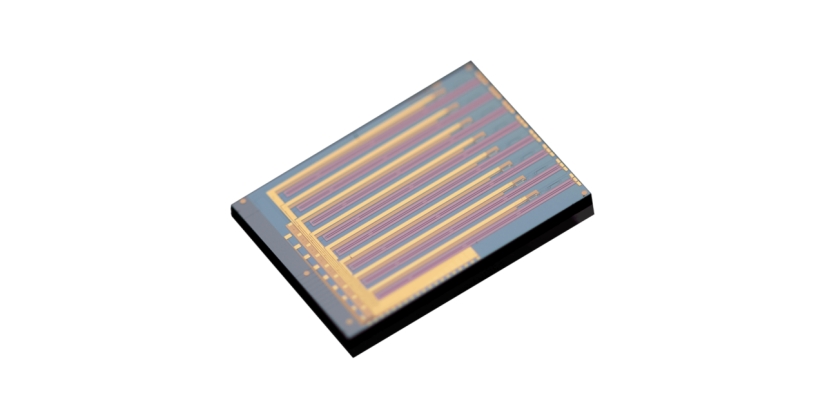
Photonic integrated circuits combine multiple photonic components onto a single chip, leveraging light for data transmission instead of traditional electrical signals. This approach allows for vastly increased speed and efficiency, essential in today's data-driven environment. Our TFLN photonic chips, such as the 3.2T DR8 model, illustrate this advancement. Designed specifically for hyperscale data center optical interconnects, these chips facilitate high-speed, single continuous wave (CW) laser-driven transmissions.
With a remarkable 110 GHz bandwidth, our TFLN chips excel in managing high-capacity data loads while minimizing latency. The capacity to operate at a low half-wave voltage of less than 1.5 V (differential) enhances energy efficiency, making these chips not just powerful but also cost-effective for businesses aiming to optimize their operations.
Key Features of TFLN Photonic Chips
What sets our TFLN photonic chips apart are their exceptional performance metrics. With an insertion loss of less than 14 dB, including coupling loss, our chips ensure that signals maintain integrity over long distances, essential for large-scale data operations. Additionally, a robust DC-ER (Direct Current Extinction Ratio) of over 25 dB guarantees high-quality signal clarity, which is crucial in environments where data accuracy is paramount.
The ability of our TFLN photonic chips to support both AC and DC coupling offers versatility in integration, allowing businesses to adapt them to a wide range of applications. This flexibility is invaluable as industries continue to evolve and digital transformation accelerates.
The Future of Data Transmission Technology
As we look to the future, the role of photonic integrated circuits will only grow more critical. The demands for higher data throughput and energy-efficient systems are steadily increasing. By adopting our TFLN photonic chips, organizations position themselves at the forefront of technological advancement, ready to meet emerging challenges head-on.
With applications ranging from AI processing to cloud computing, the transformative potential of photonic integrated circuits is vast. Our commitment at Liobate is to ensure that our clients harness this potential, enhancing their operational capabilities and driving innovation in their fields.
Understanding photonic integrated circuits and their mechanisms empowers businesses to invest wisely in their future. Our TFLN chips represent the pinnacle of this technology, providing state-of-the-art solutions for data transmission that pave the way for the next generation of connectivity. By embracing these advancements, companies can secure their competitive edge in an increasingly interconnected world. Teams studying PIC operating principles can request customized TFLN modulator evidence, white papers, and a focused engineering session for sample assessment.


 The previous article
 Returns the list