Amplitude, frequency and phase modulation constitute the foundational modulation mechanisms of modern communication systems, supporting signal encoding and transmission across wireless and optical domains. In high-speed optical coherent transmission, reasonable combination of these modulation methods helps improve spectrum utilization and link robustness. Liobate's TFLN-based IQ modulators assist users in deploying multi-dimensional modulation schemes for high-performance optical communication links.
Understanding Amplitude and Frequency Modulation
Amplitude modulation (AM) varies the strength of the signal's wave to encode information. It's widely used in radio broadcasting and is a straightforward method where the amplitude of the carrier wave changes according to the data being sent. In contrast, frequency modulation (FM) alters the frequency of the carrier wave, which helps in reducing interference and improving sound quality.
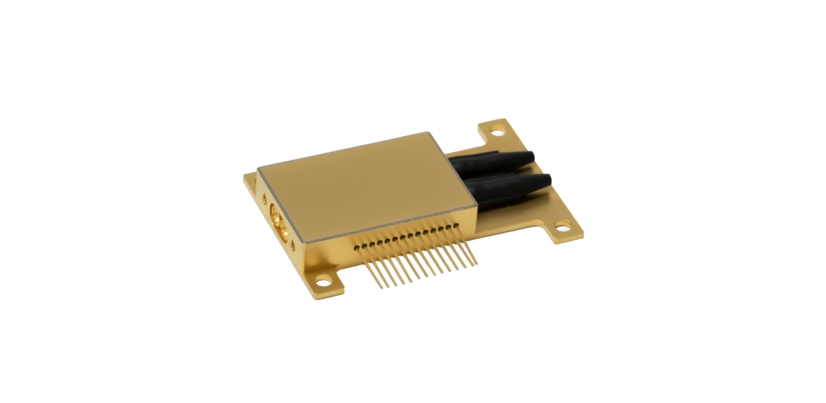
In our cutting-edge devices, such as the high-stability IQ modulator based on TFLN technology and the high-performance intensity modulator, we achieve significant enhancements in maintaining signal integrity. The 20/40 GHz IQ modulator, paired with the precision intensity modulator, supports an impressive 40 GHz bandwidth with a low half-wave voltage of less than 3.5 V. Such specifications allow for the integration of sophisticated modulation formats, proving essential for coherent communication systems, where the intensity modulator delivers reliable light intensity tuning to match complex signal modulation demands.
The Role of Phase Modulation
Phase modulation (PM) differs from amplitude and frequency by changing the phase of the carrier signal. This technique allows data to be transmitted with greater resilience to noise and interference. In the context of optical communication, using an intensity modulator for phase modulation can lead to improved performance in high data rate applications.
Our TFLN devices provide an excellent platform for phase modulation, as they combine high stability and low insertion loss, achieving values below 6.5 dB. These features ensure that the signals remain robust, even as they traverse long distances through optical fibers.
Integrating Advanced Modulation Techniques
Bringing together amplitude, frequency, and phase modulation through TFLN devices enhances our capabilities in coherent communication systems. With our IQ modulators, we not only increase data capacity but also improve the reliability of data transmission. Such integration is key in pushing forward the limits of modern communication systems.
By employing these advanced modulation techniques, we at Liobate ensure that our products meet the rigorous demands of the industry. As we continue to innovate, we strive to provide high-performance solutions that facilitate seamless communication experiences.
Elevating Communication with Liobate
In the evolving landscape of communication technology, understanding modulation techniques like amplitude, frequency, and phase modulation is essential. Our TFLN devices, particularly the high-stability IQ modulator, exemplify the intersection of reliability and performance. With features that allow for low voltage and high bandwidth, we set a new standard in the industry.
In conclusion, as businesses navigate the complexities of data transmission, leveraging technologies from Liobate can drive significant improvements in communication systems. By staying at the forefront of modulation strategies and technology, we empower our partners to excel in their respective fields. Embrace the future of communications with Liobate's state-of-the-art solutions. System designers clarifying amplitude, frequency, and phase behavior may consult the engineering team for custom TFLN modulator data, whitepapers, and sample-based verification.


 The previous article
 Returns the list