The crystal orientation of thin-film lithium niobate materials directly affects electro-optic response efficiency, insertion loss and thermal stability of intensity modulator chips. Reasonable selection of x-cut and z-cut structures can effectively optimize device performance for spectroscopy and optical frequency synthesis scenarios. Liobate tunes crystal orientation and wafer processing parameters to customize modulator performance for diversified high-precision photonic applications.
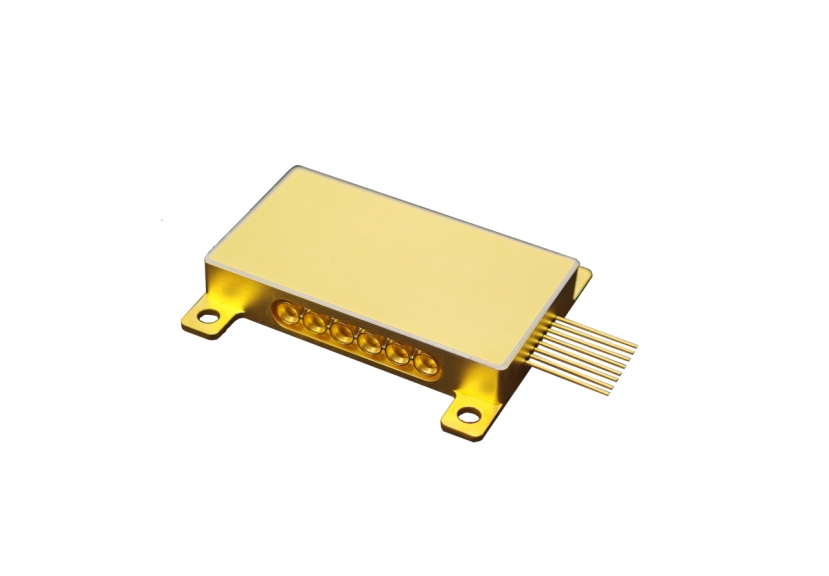
Understanding TFLN Devices
TFLN devices have revolutionized the field of optical modulation. Our optical frequency comb offers a remarkable 25GHz RF bandwidth with customizable 3-level configurations, tailored specifically for TFLN modulators. The efficacy of these devices depends not only on their design but also on the intrinsic properties of the crystal used in their construction. Crystal orientation defines the electro-optic coefficients and affects how the device interacts with light, ultimately determining its performance.
When we look at crystal orientation, we see two primary configurations: z-cut and x-cut. Each has unique advantages and affects the modulation capabilities differently. For instance, z-cut configurations are known for their efficiency in optical waveguide applications, providing optimal electro-optic response. Conversely, x-cut orientations allow for better thermal management, which can enhance the stability of intensity modulators in various operational conditions.
Selecting the right orientation based on application requirements can lead to substantial improvements in performance metrics such as insertion loss and half-wave voltage.
Performance Metrics in Intensity Modulators
The performance of intensity modulators can significantly benefit from the strategic orientation of their constituent crystals. With a half-wave voltage of less than 2.5 V and insertion loss under 9 dB, our TFLN devices demonstrate the importance of fine-tuning crystal orientation to achieve optimal performance.
Furthermore, integrating TFLN devices into a system with improved crystal alignment can enhance the overall bandwidth and modulation depth. By effectively utilizing crystal orientation, we can achieve a higher degree of precision in intensity modulation, essential for tasks such as spectroscopy, where every dB counts.
This refined control over modulation properties ensures that Liobate's optical frequency comb not only meets but exceeds the demands of cutting-edge applications, providing a competitive edge in the marketplace while supporting innovation in optical systems.
Final Thoughts on Crystal Orientation
In our pursuit of excellence, we recognize that the impact of crystal orientation on TFLN devices is profound. By understanding and leveraging these physical principles, we can significantly improve the performance of intensity modulators. The integration of our high-performance optical frequency comb and its customizable configurations will continue to advance the capabilities of TFLN devices, facilitating cutting-edge applications and fostering new developments in the optical industry.
At Liobate, we are committed to pushing the boundaries of what is possible with TFLN devices and ensuring our clients benefit from the latest advancements in intensity modulator technology. Together, let's shape the future of optical solutions. Crystal-orientation studies can be strengthened with customized TFLN modulator test results, technical white papers, and sample evaluation sessions coordinated by Liobate engineers.


 The previous article
 Returns the list