We at Liobate observe that Integrated Device Manufacturer (IDM) models are increasingly adopting vertically integrated strategies to improve efficiency, quality control, and time-to-market. Within this framework, fiber optic test equipment and optical measurement equipment play a crucial role in ensuring device performance across design, fabrication, and packaging stages. As optical systems grow more complex, integrating testing capabilities directly into production workflows has become a strategic priority. Through Liobate technologies, we explore how specialized tools—such as intensity modulator bias controllers—can enhance testing accuracy while supporting scalable manufacturing. At the same time, we recognize that integration introduces both operational advantages and structural trade-offs that must be carefully evaluated.
Advantages of Integrated Fiber Optic Test Equipment
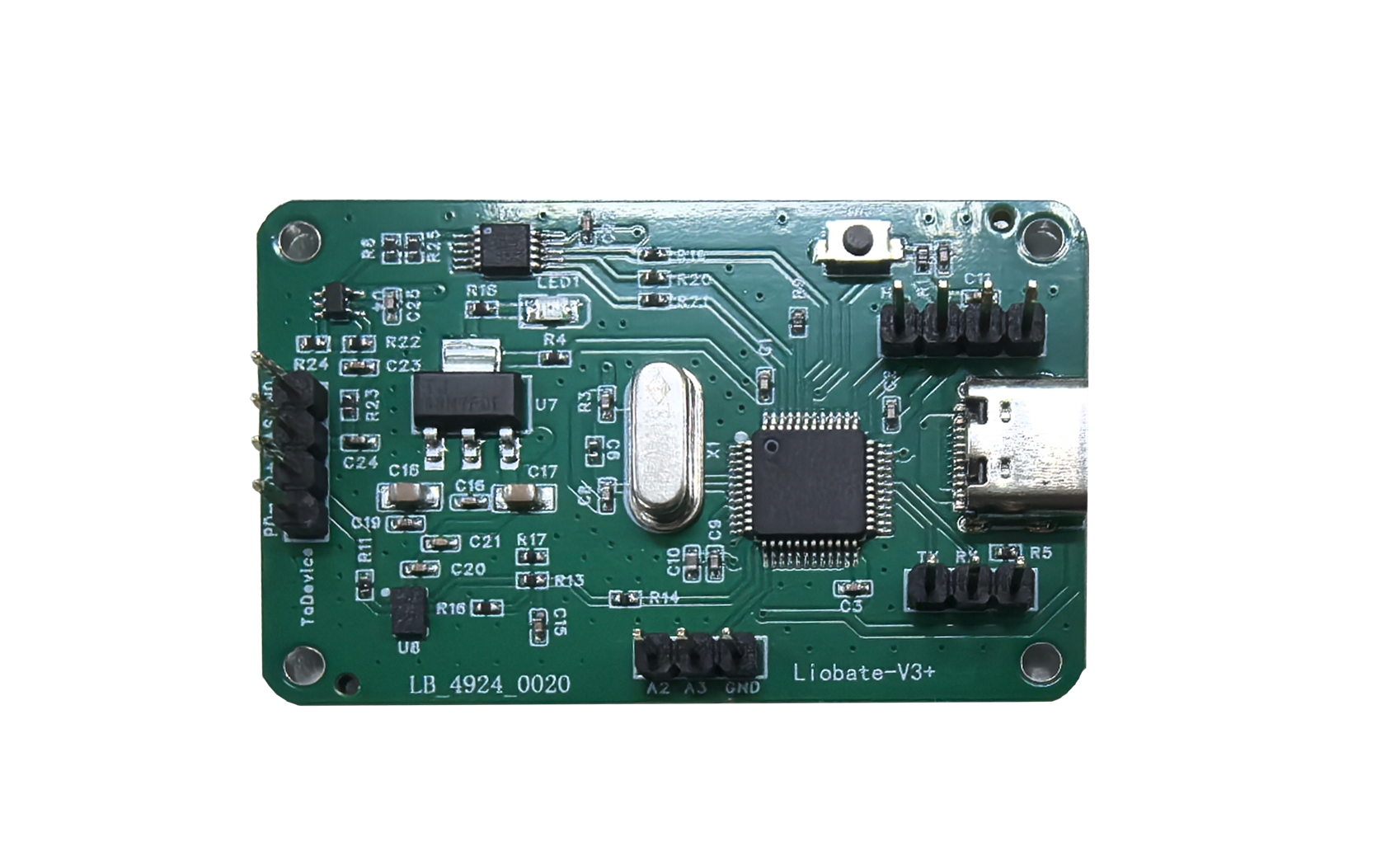
We see clear benefits when fiber optic test equipment is embedded within IDM production environments. Integrated optical measurement equipment enables real-time monitoring of device parameters, reducing the need for external validation and shortening feedback loops. For example, automated bias control for intensity modulators ensures consistent operating points, improving measurement repeatability and long-term stability. With a smaller footprint, such tools can be deployed directly on production lines, supporting high-throughput testing without increasing facility complexity. Liobate technologies allow us to optimize these systems for precise control and reliable performance, helping teams maintain quality standards while scaling production. Additionally, integrated fiber optic test equipment reduces handling risks and improves overall workflow efficiency.
Limitations and Operational Challenges
We also recognize that integrating optical measurement equipment into IDM models presents certain challenges. Initial setup costs can be significant, particularly when customizing fiber optic test equipment for specific device architectures. Integration may also reduce flexibility, as tightly coupled systems can be harder to reconfigure when testing requirements change. Furthermore, maintaining calibration and ensuring consistent performance across multiple production lines requires careful management. While automated systems such as bias controllers enhance stability, they also demand ongoing monitoring and maintenance. Through Liobate technologies, we address these concerns by designing modular and adaptable solutions, but the balance between integration and flexibility remains an important consideration for manufacturers.
Balancing Integration with Scalability
We believe the key to effective deployment lies in balancing integration with scalability. Fiber optic test equipment should be designed to support both current production needs and future expansion. Optical measurement equipment that offers modularity and interoperability can help IDM operators adapt to evolving technologies. By incorporating compact and stable solutions, such as automated bias control systems, manufacturers can achieve consistent performance without sacrificing operational agility. Liobate technologies emphasize this balance, ensuring that integrated systems remain efficient while accommodating future upgrades and changing requirements.
Advancing Testing Strategies in IDM Environments
We conclude that integrated fiber optic test equipment and optical measurement equipment provide significant advantages in IDM models, particularly in improving efficiency and consistency. However, successful implementation requires careful consideration of cost, flexibility, and long-term maintenance. As optical manufacturing continues to evolve, integrated testing will play an increasingly important role in ensuring product quality and reliability. We at Liobate recommend our Liobate technologies as a practical approach for organizations seeking to optimize fiber optic test equipment and optical measurement equipment within integrated manufacturing environments.


 The previous article
 Returns the list