High-speed data networks frequently encounter signal degradation that limits overall throughput. When we examine the physical layers of optical links, we observe that non-linear effects often cause undesirable distortion, complicating the task of maintaining clear communication. At Liobate, we focus on providing hardware solutions that address these specific technical hurdles. By leveraging the material properties of our specialized components, we assist engineering teams in stabilizing their signal paths and improving the reliability of their systems.
Addressing Non-Linearity in Optical Links
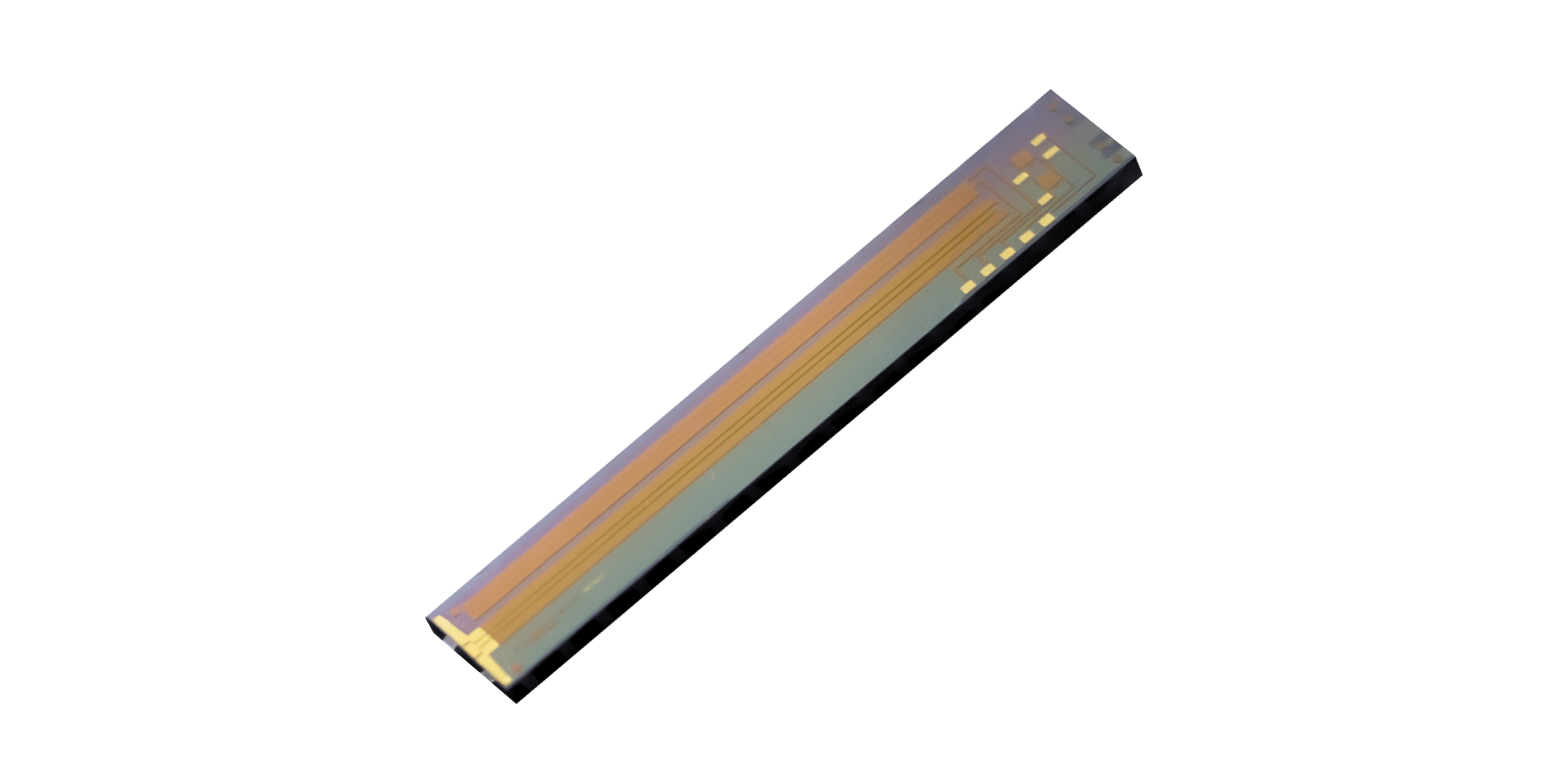
Signal integrity is critical for systems that require precision, such as those found in autonomous driving or large-scale data centers. Non-linear effects can arise when high-power signals travel through optical waveguides, leading to phenomena like self-phase modulation or crosstalk. To mitigate these issues, we employ our TFLN photonic chip technology, which offers superior control over light propagation. Because lithium niobate naturally provides strong electro-optic properties, it allows us to create components that manage these non-linearities without requiring excessive power or complex compensation circuitry.
We find that the structural architecture of our devices plays a major role in performance. Our thin-film designs enable tight optical confinement, which helps in suppressing the onset of non-linear noise. By utilizing these tfln chips, we provide a stable environment for light to travel, even when operating at very high bit rates. This stability is essential for engineers who need to ensure that their optical links remain consistent under diverse environmental and operational conditions.
Real-World Data and Performance Metrics
The effectiveness of our hardware is grounded in repeatable testing and clear technical benchmarks. Through our internal verification, we have demonstrated that these components maintain a low insertion loss—typically below 5 dB—while providing an extinction ratio greater than 25 dB. These metrics indicate that our TFLN photonic chip architecture handles signal modulation with high precision, which is a significant factor in reducing bit error rates in high-capacity networks.
Beyond raw performance, we prioritize the stability of our components over long operating periods. We have developed proprietary techniques to suppress bias drift, a common challenge that often plagues traditional lithium niobate devices. When we test our tfln chips under various drive voltages, the results consistently show repeatable bias points, even when subjected to DC signals. This level of reliability allows us to offer solutions that perform predictably in demanding applications, such as long-haul data interconnects and sensing arrays.
Implementation and Future Outlook
We approach component integration by ensuring that our designs fit seamlessly into existing network architectures. For partners working on autonomous driving sensors, the focus is often on small form factors and high-speed responsiveness. Our ability to integrate these high-performance modulators into compact packages ensures that the hardware does not impose unnecessary constraints on the overall system design.
Technical progress in this field requires a focus on both material science and precise fabrication. By refining our manufacturing processes, we continue to deliver devices that meet the rigorous demands of modern communication infrastructure. We look forward to supporting further advancements in data speed and system efficiency through the application of our specialized photonic technologies. By continuing to focus on the unique advantages of our platform, we help our partners build robust, high-performance optical networks.


 The previous article
 Returns the list