Advancements in photonic hardware are significantly changing how we approach precision sensing and high-speed data transmission. At Liobate, we observe that the interest in chip-scale, field-deployable platforms for signal processing is growing rapidly across sectors like telecommunications and autonomous driving. By utilizing advanced material platforms, we focus on providing reliable TFLN devices that allow for the stable generation of complex signals on a single chip. This shift toward compact, integrated systems is essential for partners who need to manage increased data demands while staying within strict energy and space constraints.
Technical Progress in Frequency Comb Generation
Precision metrology and optical clocks require light sources with hundreds of thousands of precisely spaced spectral lines. Historically, these systems were bulky and restricted to laboratory environments. We now leverage thin-film lithium niobate to create high-efficiency optical frequency comb generators that are suitable for real-world integration. By engineering microresonator structures within our platforms, we achieve a balance of high power and spectral purity. This technical achievement enables our customers to implement high-precision spectroscopy and coherent communication systems in hardware that fits directly into existing module footprints, solving the size and energy barriers that hindered earlier designs.
Enhancing Performance with Specialized Platforms
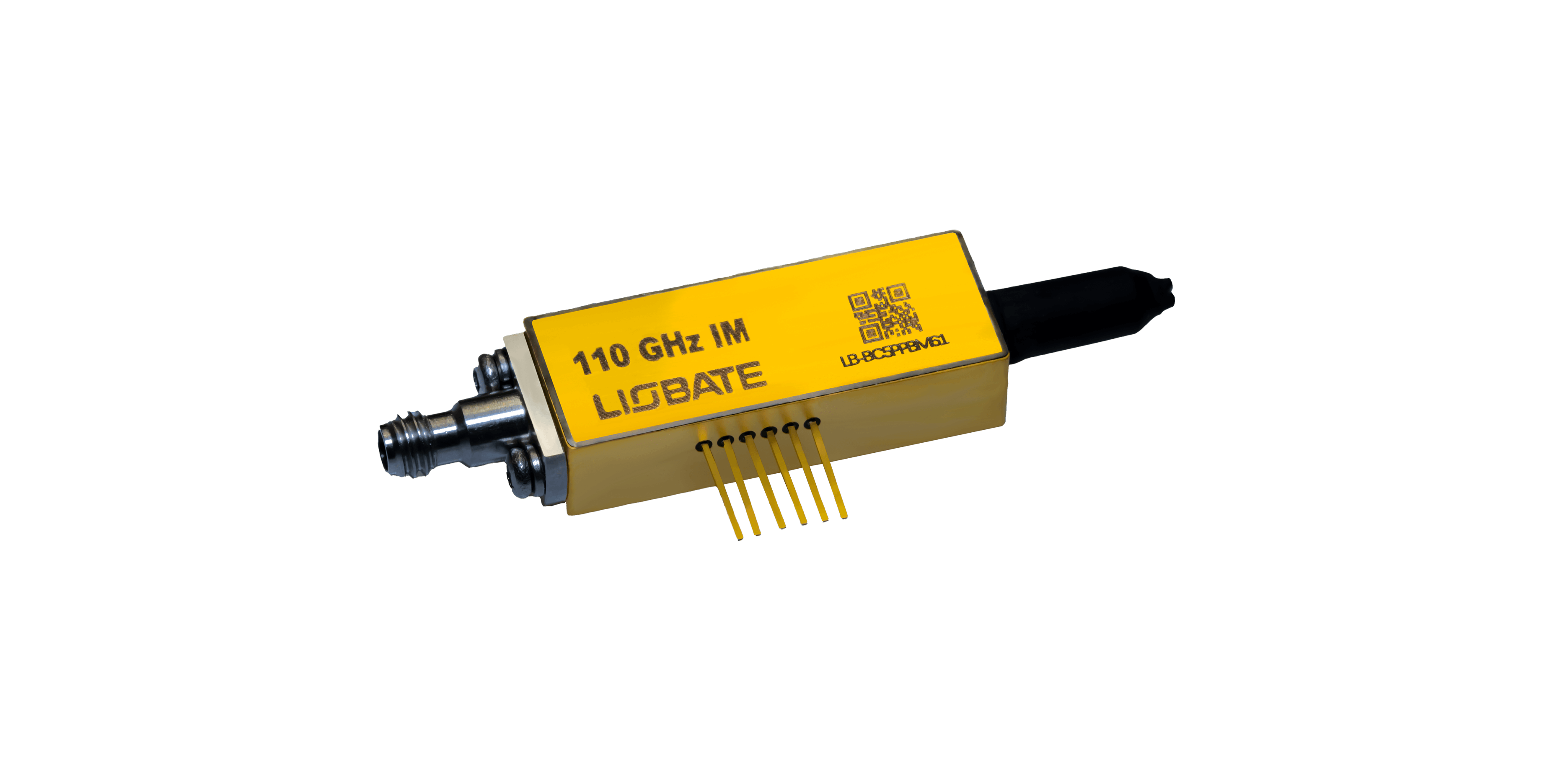
Engineers often face difficulties when trying to maintain signal coherence while scaling up to higher frequencies. We work to mitigate these issues by refining our TFLN devices to ensure they operate with minimal insertion loss and high electro-optic efficiency. Our testing indicates that these components support bandwidths exceeding 100 GHz, providing the necessary stability for advanced modulation formats like PAM-4. By integrating these high-performance modulators directly into our frequency generation architecture, we help designers achieve cleaner signal outputs. This approach ensures that our components provide the stability needed for reliable operation in demanding environments, such as high-density server racks or remote sensing arrays.
Data-Driven Reliability for Complex Systems
Reliability forms the core of our manufacturing process. We perform rigorous testing on every optical frequency comb architecture to ensure performance consistency across wafer-scale production. Our data confirms that the integration of high-Q resonators with our modulation technology allows for milliwatt-level power per comb line with exceptional spectral narrowness. We provide these empirical results so that our partners can predict exactly how their hardware will behave in the field. This transparency reduces the need for extensive trial-and-error, allowing engineering teams to move quickly from the prototype stage to full-scale implementation in their specific optical applications.
Supporting Future Infrastructure Demands
Looking ahead, the demand for integrated photonics will continue to expand as artificial intelligence and autonomous systems evolve. We remain committed to improving the fabrication processes and design flexibility of our TFLN devices, ensuring they meet the long-term needs of our partners. By focusing on fundamental material physics and precise light-matter interaction, we provide the building blocks for a more efficient and connected landscape. Our technical team is available to discuss your specific project requirements and demonstrate how these advancements can resolve the signal processing hurdles you encounter. We invite you to view our technical resources to see how our engineering can support your next development cycle.


 The previous article
 Returns the list