High-speed data transmission relies on the precise conversion of electrical signals into optical pulses. As we work to address the bandwidth limitations of traditional materials, we find that thin-film lithium niobate (TFLN) offers a unique solution for modern photonic systems. By leveraging the Pockels effect, our TFLN Devices enable the rapid manipulation of light, which is fundamental for high-capacity communication links and sensing applications. We often explore these physical principles to help our partners build more efficient and scalable optical infrastructures.
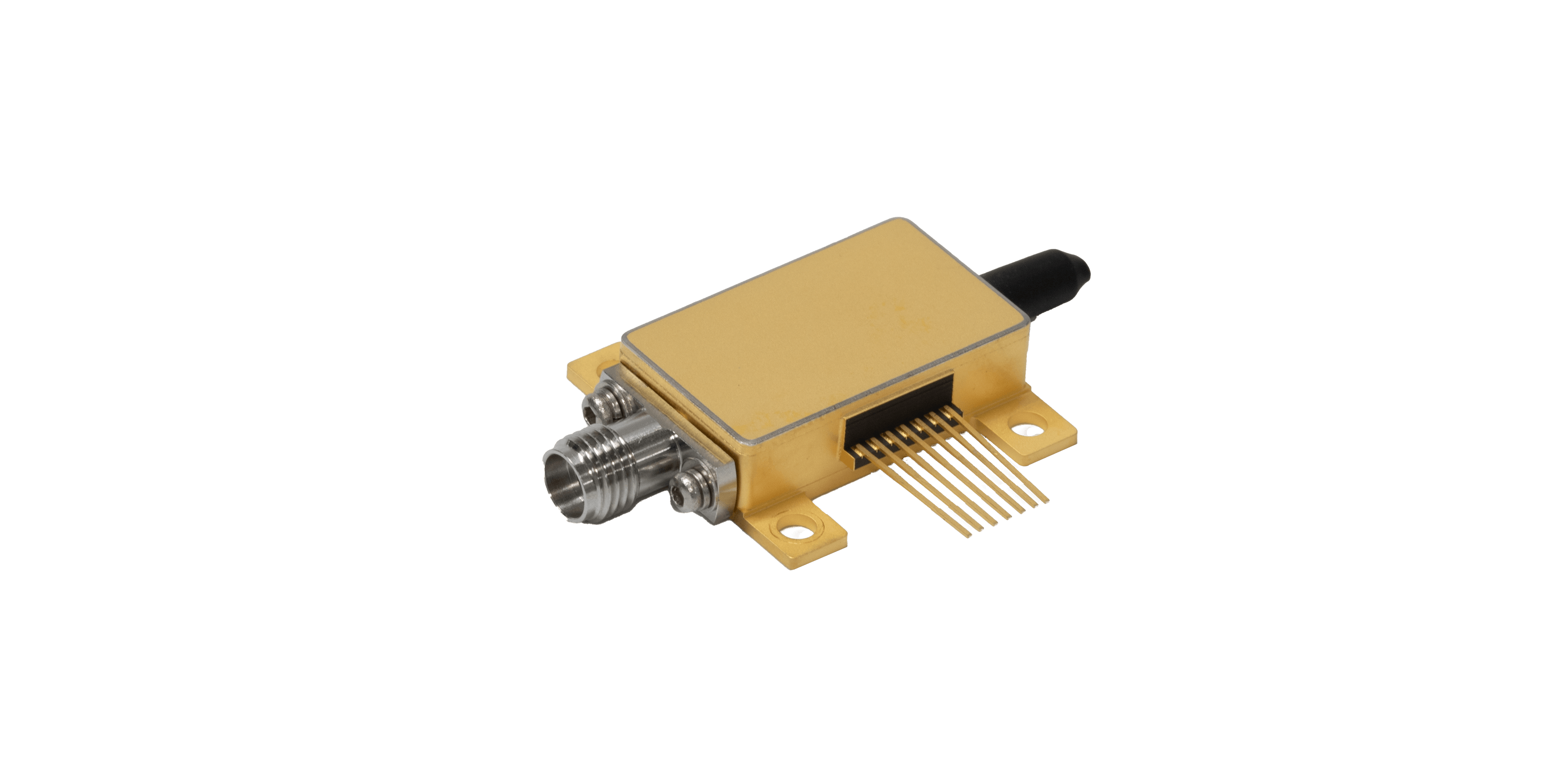
The Role of TFLN in High-Speed Modulation
When we examine the performance of an intensity modulator, the ability to control light at high frequencies with minimal power is our primary goal. Standard materials often encounter bottlenecks at extreme data rates, but TFLN devices provide an expansive bandwidth that supports the next generation of optical networks. Because the lithium niobate thin film is highly transparent and possesses a strong electro-optic coefficient, it allows us to achieve significant refractive index changes with minimal drive voltage. This capability is vital when we design systems that must operate reliably in environments like autonomous vehicle LiDAR or high-density data centers.
Our testing shows that these modulators reach bandwidths exceeding 100 GHz, with specific designs pushing toward even higher operational speeds. By reducing the half-wave voltage to levels below 1.5 V, we enable direct integration with CMOS electronics, effectively removing the need for energy-intensive radio-frequency drivers. This integration streamlines the design process for our customers, ensuring that energy efficiency and signal integrity remain high even as data requirements continue to grow.
Advancing Precision with Optical Frequency Combs
Beyond simple modulation, the integration of advanced signal sources is a major focus of our current development. An optical frequency comb serves as a coherent light source that produces precisely spaced spectral lines, acting as a crucial tool for metrology, spectroscopy, and multi-wavelength communication. When we integrate these combs with our TFLN platforms, we create a flexible, stable, and chip-scale foundation for multi-wavelength signal generation.
We have demonstrated that a system featuring an optical frequency comb with 25 GHz repetition rates and robust spectral flatness allows for high-capacity data transmission across a broad range of wavelengths. By aligning the modulation response of our TFLN modulators with these stable spectral sources, we minimize signal distortion and provide a reliable path for complex signal processing. This synergy is particularly useful for our customers who need to maintain precise synchronization in mission-critical applications.
Consistent Performance for Real-World Demands
Implementation of these technologies requires attention to detail, specifically regarding environmental stability and signal control. We observe that factors such as thermal drift and bias variation can influence long-term link performance, which is why our optical frequency comb setups and associated modulators are designed for robust operation. We at Liobate prioritize these design characteristics to ensure that our technology provides consistent results whether in a laboratory setting or a field-deployed communication module.
Our focus remains on solving the technical hurdles that arise when scaling optical systems for mass production. By utilizing 8-inch wafer fabrication, we ensure that our high-performance components remain accessible for diverse industrial needs. We continue to work closely with our partners to refine these links, providing a practical framework for the next era of photonic integration. By focusing on fundamental electro-optic efficiency, we support the growth of reliable infrastructure across the optical communication and sensing sectors.


 The previous article
 Returns the list