Technical advancements in photonic circuit design rely on how effectively light is confined within a waveguide. At Liobate, we examine how material properties influence the efficiency of signal transmission, particularly when developing high-performance platforms. By utilizing thin-film lithium niobate (TFLN) as a primary material, we provide a robust solution that manages light with minimal loss. Our focus centers on the benefits of high-index contrast, which allows for the creation of more compact and efficient devices. This capability is vital for our partners working within optical communication and autonomous driving, where space constraints and performance reliability remain central to project success.
Enhancing Circuit Density with TFLN Chips
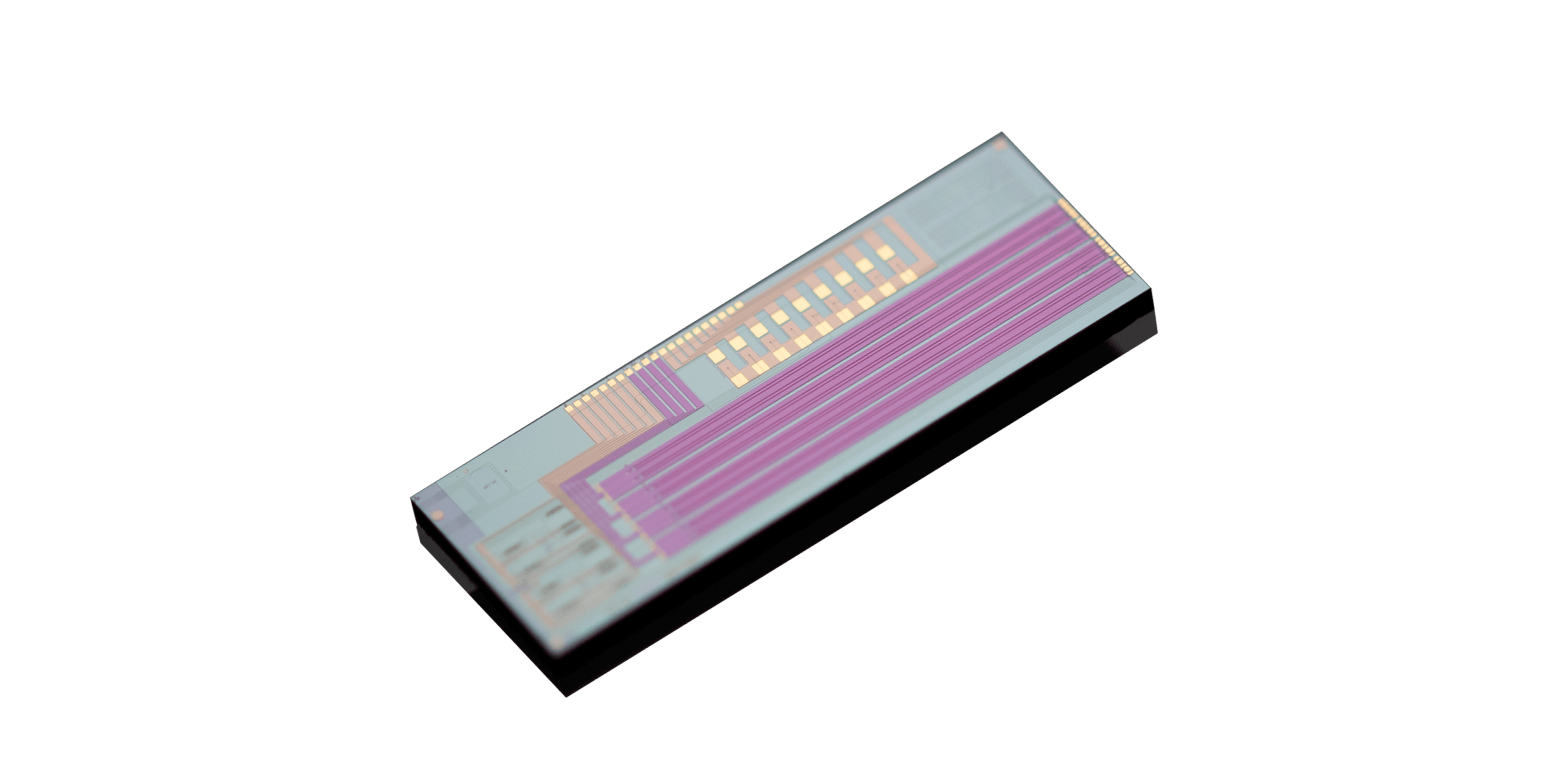
Efficiency in photonic design often hinges on how small a circuit can become without sacrificing performance. High-index contrast allows for tighter bending radii in waveguides, which effectively reduces the footprint of integrated systems. During our internal development, we utilize tfln chips to achieve this level of integration. Because these materials possess a high refractive index compared to the surrounding cladding, light remains confined even through sharp bends. This confinement minimizes the crosstalk that can occur in dense circuits, allowing us to pack more functionality into a smaller area. We find that this approach supports the growing demand for higher channel counts in modern networking hardware.
Improving Light Confinement in Optical Chips
Control over light propagation serves as a foundation for effective signal modulation. When we manufacture our optical chips, we prioritize the physical characteristics that enable strong confinement. This concentration of light within the core of the waveguide ensures that the signal maintains its integrity across longer distances, which is a common requirement in data center interconnects. Our real-world data demonstrates that these structures achieve low insertion loss, an essential metric for high-speed data transfer. By refining the fabrication of our TFLN chips, we ensure that each component offers the stability needed for complex photonic circuits to perform under demanding operational conditions.
Addressing Technical Hurdles in Signal Integrity
Challenges related to mode conversion and scattering losses often appear when designing high-speed photonic devices. We solve these problems by employing precise manufacturing techniques that result in smooth sidewalls and accurate waveguide dimensions. When we test our optical chips, we monitor signal fidelity to confirm that the high-index contrast does not introduce unwanted interference. Our data shows that these devices sustain high-speed operation, providing the necessary bandwidth for advanced applications. By managing these technical variables, we provide components that function reliably, helping our customers resolve issues related to signal degradation and energy consumption.
Future Performance in Photonic Integration
Integration density continues to play a significant role in how communication systems scale. We observe that the use of TFLN chips offers a clear path forward for developers who require both speed and small size. As we continue to provide high-quality optical chips for various industries, we focus on consistency and performance metrics that support long-term system stability. Through our ongoing research and development, we aim to provide reliable building blocks for future photonic infrastructures. We remain dedicated to supporting our customers by delivering hardware that meets specific technical requirements for power, speed, and size. By focusing on these core engineering principles, we ensure that our components contribute to the effective operation of modern communication and sensing systems.


 The previous article
 Returns the list