At Liobate, we understand that the optical chip landscape, particularly involving TFLN chips, presents unique challenges and opportunities concerning manufacturing costs. As the demand for high-performance optical chips like our 1.6T/800G ZR Coherent PDMIQ increases, it becomes vital to dissect the factors influencing fabrication costs throughout the lifecycle of these components.
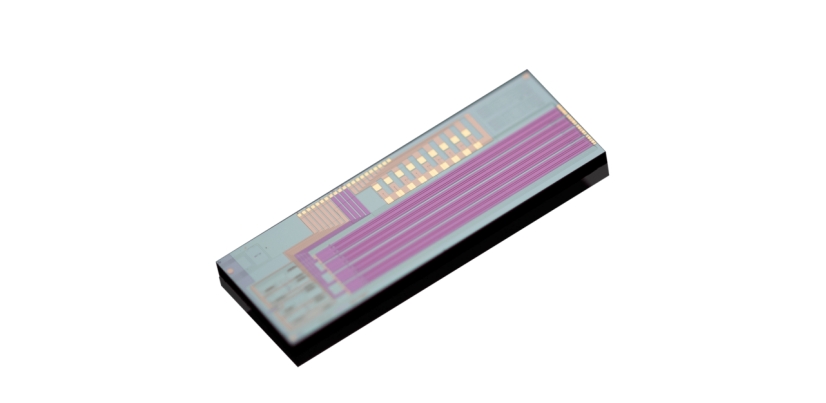
The Fabrication Process of Optical Chips
The journey of optical chips begins with material selection and design, where choices significantly impact overall costs. TFLN chips are engineered for long-reach coherent transmission, supporting polarization-division multiplexed IQ modulation with a remarkable 70 GHz bandwidth. These specifications also contribute to cost considerations.
The fabrication process involves several stages: substrate preparation, layer deposition, patterning, and etching. For TFLN chips, the precision required during these steps is critical. Our ability to achieve a low insertion loss of less than 7 dB hinges on meticulously controlled fabrication processes. Each phase has distinct costs associated with equipment, labor, and materials that accumulate over time. Understanding these layers of cost helps us optimize our production methods and improve operational efficiency.
Key Cost Drivers in the Lifecycle
Several factors influence the total cost of optical chips, particularly TFLN chips. Material expenses represent a significant part of the fabrication costs. High-purity lithium niobate required for our chips incurs additional costs; however, the benefits it provides in performance and reliability often outweigh the initial investment.
Another critical cost driver is testing and validation. Our TFLN chips are designed to achieve a half-wave voltage of less than 4.5V (differential) and a DC extinction ratio greater than 25 dB. Rigorous testing is essential to ensure that each chip meets these demanding performance metrics. This quality assurance phase can be resource-intensive but is essential for maintaining our reputation for excellence in the marketplace.
Optimizing Costs for Competitive Advantage
As we navigate the complexities of the optical chips lifecycle, we continually seek innovative ways to optimize fabrication costs without compromising quality. By leveraging advanced technologies and streamlining our processes, we position Liobate as a leader in TFLN chip manufacturing. This not only helps in reducing costs but also enhances our ability to offer competitive pricing to our clients.
Through partnerships in research and development, we aim to identify new materials and methods that will lower production costs and improve the performance of our optical chips. We believe that minimizing fabrication costs will empower our partners to invest more confidently in high-performance solutions like our TFLN chips.
As we move forward, the ability to effectively manage fabrication costs in optical chips will be crucial. Let's work together to explore ways we can drive innovation in this space, ensuring that our optical chips meet the evolving demands of the industry while remaining cost-effective. Together, we can transform the future of optical technology. Cost-analysis work can be supplemented with tailored TFLN modulator performance data, whitepaper documentation, and engineering-led sample evaluation planning.


 The previous article
 Returns the list