Large-scale data centers are accelerating the upgrade of high-speed optical interconnection infrastructure, and scientific and reasonable optical chip deployment strategies directly determine the scalability and operational efficiency of network systems. At Liobate, we focus on the R&D and iteration of high-performance TFLN optical chips, and summarize targeted deployment suggestions suitable for large data center application scenarios.
Understanding the Role of Optical Chips
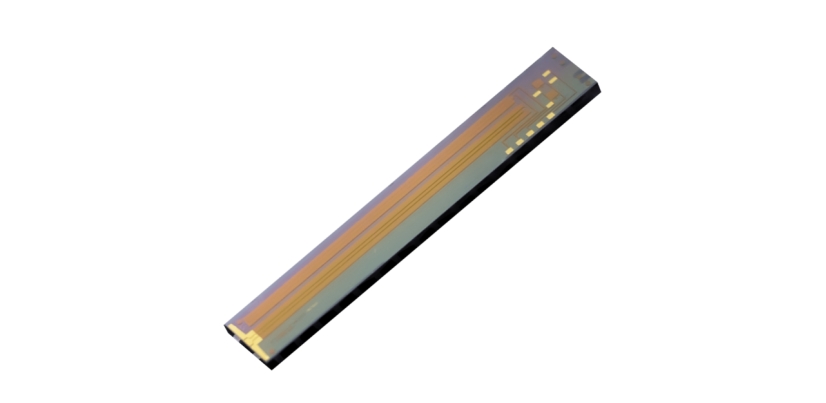
Optical chips play a pivotal role in enhancing the capabilities of modern data centers. Our Thin-Film Lithium Niobate (TFLN) Intensity Modulator Die Chip delivers compact high-performance design with a maximum 110 GHz 3 dB bandwidth and ultra-low half-wave voltage. Measured under standardized 25℃ 1550nm C-band lab conditions, this die chip features outstanding specs: insertion loss controlled below 5 dB and DC extinction ratio (DC-ER) higher than 20 dB. Such stable performance makes our optical chips perfect for customized photonic integrated circuit layouts used in precision test equipment and optical sensing systems.
The ability to transmit data over long distances with minimal loss is essential for maximizing data center efficiency. By deploying TFLN chips, data centers can achieve superior data rates while effectively managing power consumption, which is a growing concern in large-scale operations.
Key Deployment Considerations
When implementing optical chips within massive data centers, several strategic considerations come into play. First, scalability should be at the forefront of any deployment strategy. The selection of optical chips must align with the anticipated growth of the data center. TFLN chips, with their high bandwidth and low insertion loss, can seamlessly adapt to increasing data loads, ensuring that infrastructure remains robust over time.
Another significant factor is interoperability with existing systems. Choosing the right optical chips should also consider compatibility with current technologies, whether they involve legacy systems or newer advancements. Our optical chips are designed to integrate smoothly with existing architectures, thereby minimizing disruptions and ensuring a streamlined transition.
Furthermore, effective thermal management is crucial. Optical chips often generate heat, which can impact performance if not adequately managed. When deploying TFLN chips, data centers should invest in robust cooling solutions that support the operational efficiency of these advanced technologies.
Future-Proofing Your Data Center
As we look to the future, deploying optical chips in massive data centers must focus on sustainability and reliability. At Liobate, we advocate for continuous innovation to enhance the functionalities of our TFLN chips, ensuring they meet not only current demands but also future challenges.
Engaging in partnerships with industry leaders and investing in research and development can help businesses better navigate the integration of optical chips into their operations. By staying ahead of technology trends, data centers can achieve remarkable performance enhancements and operational efficiencies.
Effective deployment strategies for optical chips are essential for the future of massive data centers. At Liobate, as we continue to refine our TFLN offerings, we invite our partners to collaborate with us in pushing the boundaries of optical technology. Together, we can achieve success in creating high-performance data environments that meet the evolving demands of the industry. Data-center chip deployment projects may request customized TFLN modulator test information, technical white papers, and sample evaluation coordination from Liobate engineers.


 The previous article
 Returns the list