Evolving traffic demands and bandwidth-intensive services are pushing core networks toward higher performance thresholds. As we assess infrastructure upgrades, the transition to advanced modulation technologies becomes increasingly relevant. Among these, the IQ modulator stands out as a critical enabler for scaling capacity and improving spectral efficiency. We see growing adoption driven by the need to support next-generation architectures while maintaining stability and cost efficiency.
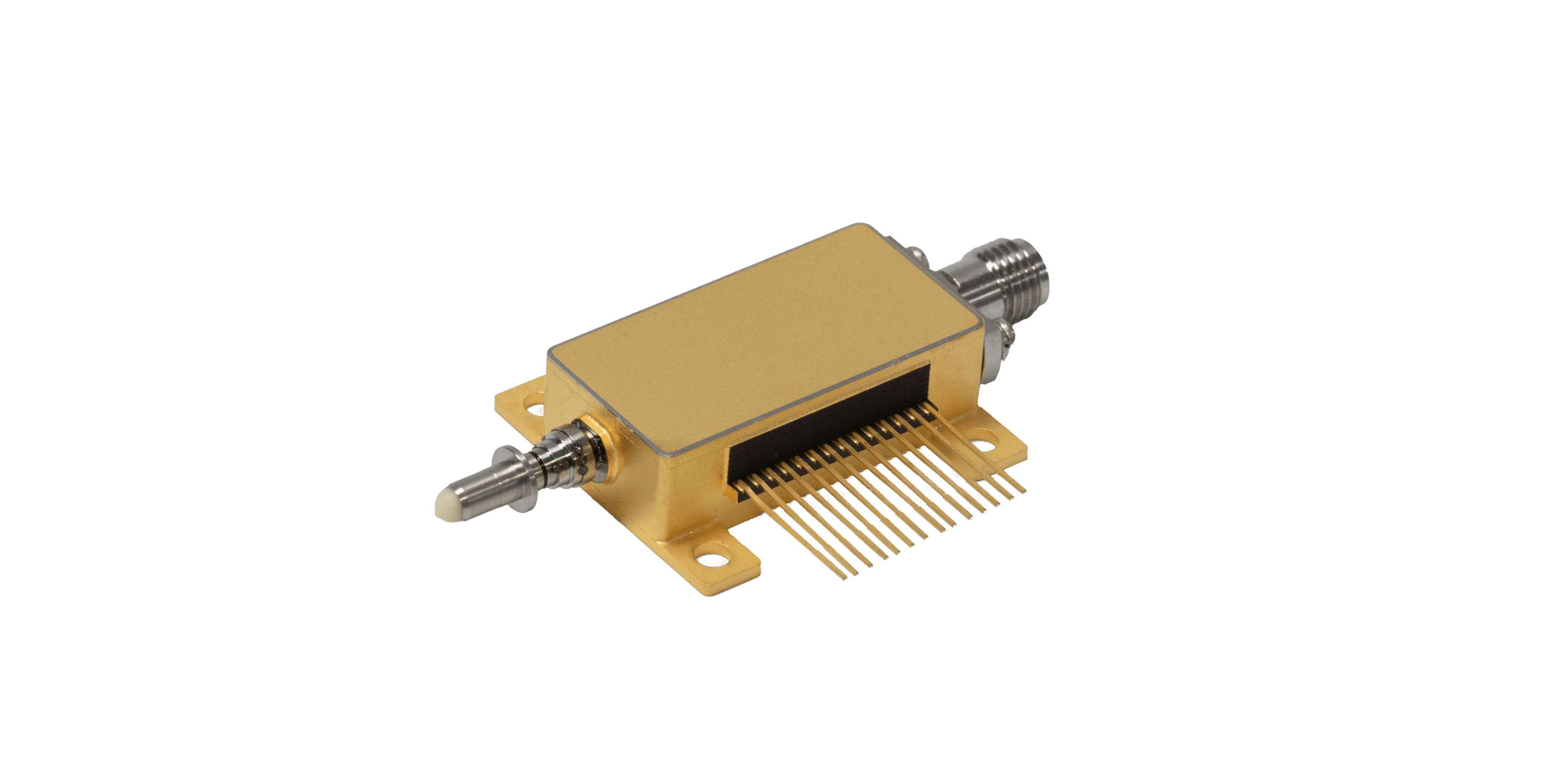
Recognizing the Limits of Legacy Modulation
Traditional modulation approaches often struggle to keep pace with modern data requirements. As transmission speeds increase and channel density rises, issues such as signal distortion, limited bandwidth, and inefficient power usage become more pronounced. This is where TFLN Devices begin to demonstrate clear advantages.
We observe that legacy systems typically lack the flexibility required for coherent detection and advanced modulation formats such as QPSK or QAM. In contrast, an IQ modulator enables precise control of both amplitude and phase, allowing operators to significantly enhance spectral efficiency. For organizations managing long-haul or high-capacity metro networks, these limitations often signal the right time to consider an upgrade.
Performance Gains with TFLN Devices
The adoption of TFLN Devices introduces measurable improvements across several key performance metrics. With bandwidth capabilities reaching 40 GHz and beyond, modern modulators can support significantly higher data rates without compromising signal integrity. Low insertion loss—typically below 6.5 dB—ensures efficient optical power utilization, which is essential in large-scale deployments.
Another critical factor is the half-wave voltage, which in advanced IQ modulator designs can be maintained below 3.5 V. This contributes to lower power consumption and simplifies driver requirements. Combined with high stability and reliability, these features make these Devices particularly suitable for demanding core network environments where uptime and consistency are non-negotiable.
We also recognize that these devices align well with broader photonic applications, where integration, scalability, and energy efficiency are increasingly prioritized.
Strategic Timing for Network Transition
Deciding when to transition to an IQ modulator depends on several operational and strategic indicators. Rapid traffic growth, the introduction of 400G/800G transmission, and the need for improved link performance are all strong signals. Additionally, when network operators begin encountering limitations in reach or spectral efficiency, upgrading modulation technology becomes a logical next step.
We recommend evaluating existing infrastructure alongside future scalability requirements. Photonic applications are evolving quickly, and early adoption of TFLN Devices can position networks to handle upcoming demands more effectively. Integration with coherent optics and compatibility with advanced digital signal processing further strengthen the case for transition.
Moving Forward with Scalable Photonic Solutions
A forward-looking approach to network design requires balancing performance, cost, and long-term adaptability. The shift toward IQ modulator technology, particularly those based on TFLN Devices, reflects a broader transformation in photonic applications across the industry.
We, at Liobate, focus on developing thin-film lithium niobate modulator photonic integrated circuits and related optical interconnect solutions. By aligning our innovations with real-world network challenges, we aim to support partners in upgrading their core infrastructure with reliable and high-performance technologies.


 The previous article
 Returns the list