Cloud computing infrastructure places extraordinary demands on optical interconnects: hundreds of thousands of links operating 24/7, tight power budgets, and relentless pressure to increase bandwidth density. Within each transceiver or optical engine, optical modulators convert electrical signals into light pulses—and their deployment practices directly affect link reliability, energy efficiency, and maintenance costs. Over years of field experience with thin-film lithium niobate platforms, we have identified several best practices that extend modulator lifetime and stabilize performance. Below we share practical guidelines for deploying TFLN Devices and other optical modulators in cloud-scale environments.
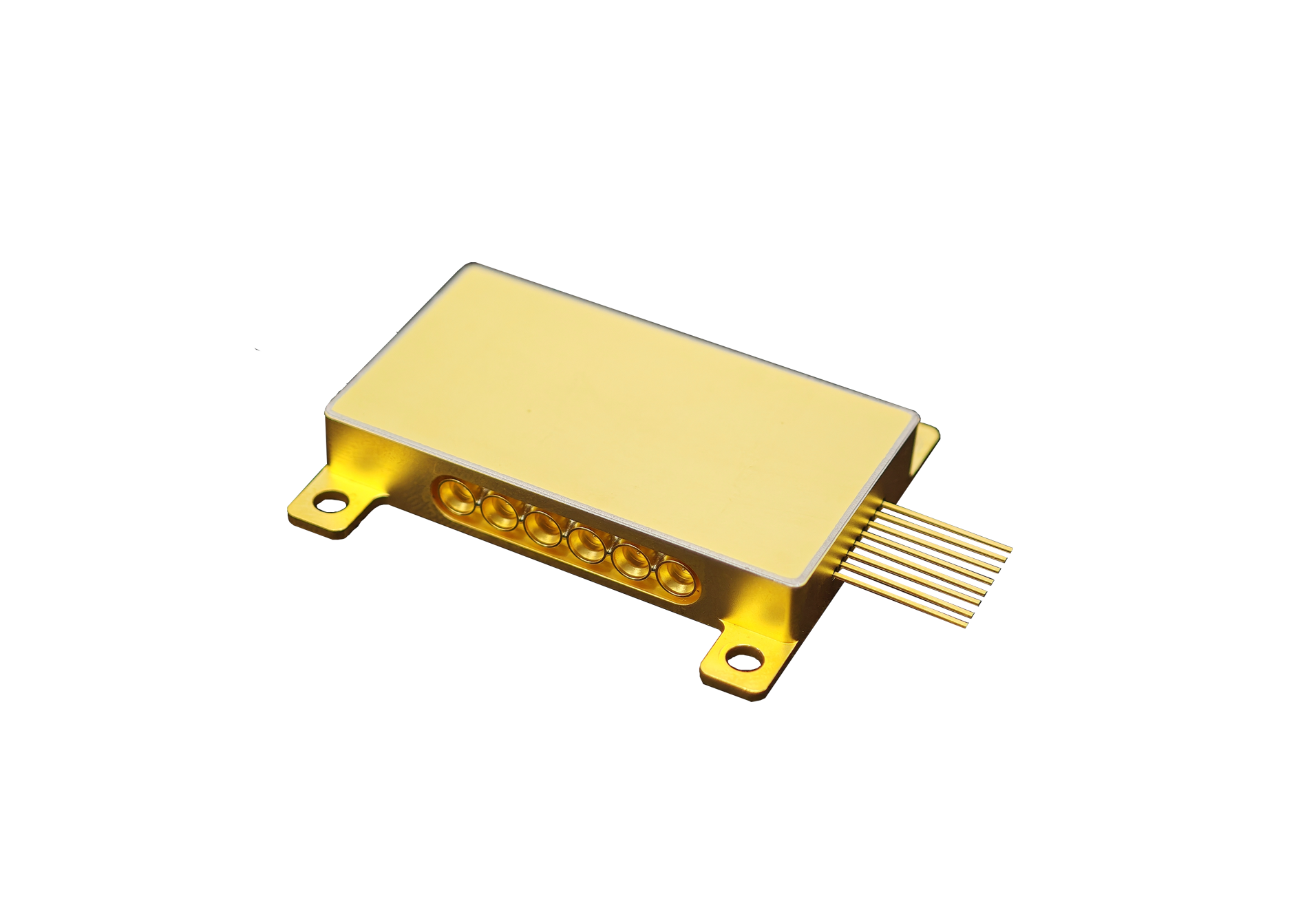
Optimize RF Drive Amplifier Matching
The most common failure point in modulator deployment is improper RF interface design. Optical modulators require impedance-matched traces (typically 50 Ω differential) between the driver amplifier and the modulator’s RF pads. Mismatch causes reflections, which create ripples in the electro-optic response and can even damage the modulator’s input structure over time. For TFLN Devices, which feature low half‑wave voltage (< 2.5 V for comb‑generation applications), we recommend using drivers with adjustable output swing and pre‑emphasis. Measure the small‑signal S11 parameter before connecting the driver; a return loss better than 10 dB up to the modulator’s bandwidth (e.g., 25 GHz for our 1‑level optical frequency comb) ensures clean signal delivery. In cloud data centers where links are re‑provisioned frequently, standardizing on a single driver‑modulator interface reduces variability.
Manage Bias Control for Long‑Term Stability
Unlike directly modulated lasers, external optical modulators require active bias control to maintain the quadrature point or null point. Cloud environments experience temperature fluctuations from cooling system cycles and server load changes. Our TFLN Devices exhibit excellent thermal stability, but we still recommend a closed‑loop bias controller that monitors a low‑frequency dither tone or measures average optical power. For our optical frequency comb devices—available in 1‑level (25 GHz RF bandwidth, < 9 dB insertion loss) and customizable 3‑level configurations—the bias voltage drift over temperature is less than 0.1 V/°C. By implementing a bias control algorithm that updates once per millisecond, you can keep the extinction ratio above 20 dB across the entire 0‑70 °C range without costly temperature‑stabilized enclosures.
Leverage High Integration for Density
Cloud data centers are moving from pluggable transceivers to co‑packaged optics (CPO) to reduce power and increase faceplate density. This shift demands compact optical modulators that integrate multiple functions on a single chip. Our TFLN Devices support high integration and compact size, exemplified by the 1‑level optical frequency comb that consolidates phase modulation and intensity modulation stages. When deploying such integrated devices, pay attention to optical crosstalk between adjacent channels. We recommend using shielding waveguides and maintaining at least 100 µm pitch between modulator channels. For advanced users, our customizable 3‑level optical frequency comb allows cascaded modulation stages within a 2 mm × 5 mm footprint—ideal for wavelength‑division multiplexing sources that feed hundreds of cores.
Maintaining Cloud‑Grade Reliability
Deploying optical modulators at cloud scale requires thinking beyond the lab environment. Consistent RF matching, robust bias control, and integrated form factors are non‑negotiable. With TFLN Devices offering low Vπ, low insertion loss, and customizable comb architectures, we have seen deployment success when these best practices are followed. At Liobate, we are committed to providing superior these Devices and modulators that meet the rigorous demands of cloud computing. We invite infrastructure teams to evaluate our optical frequency comb solutions—from basic 1‑level to advanced 3‑level—and adopt these best practices for reliable, high‑density interconnects. Let’s build the cloud’s optical backbone together.


 The previous article
 Returns the list