Electro‑optic drift remains one of the most persistent reliability challenges in lithium niobate phase modulator systems. Over time, a DC bias voltage applied to the modulator produces a slowly shifting optical phase—even when the drive voltage remains constant. This drift degrades control stability in applications such as optical frequency combs, coherent sensing, and quantum photonics. For engineers working with TFLN Devices, understanding the root causes and practical mitigation strategies is essential. Drawing on our experience with thin‑film lithium niobate technology—including phase modulator designs for optical frequency combs (25 GHz RF bandwidth, <2.5 V half‑wave voltage, <9 dB insertion loss)—we outline systematic troubleshooting approaches.
Root Causes of Electro‑Optic Drift
Drift originates from mobile charge carriers within the modulator structure. In conventional bulk lithium niobate, impurities or non‑stoichiometric regions allow ions (e.g., H⁺, Li⁺) to migrate under an applied electric field. This charge redistribution partially screens the field, causing the effective voltage across the electro‑optic region to change. TFLN Devices significantly reduce this effect: the thin‑film geometry and high‑quality crystalline layers minimize defect sites. However, drift can still arise from packaging materials (adhesives, solders) or surface contamination. For a phase modulator used in a 1‑level optical frequency comb, even a 1° phase drift translates into comb line instability, directly affecting frequency metrology or spectroscopy measurements.
Diagnostic Techniques for Drift Identification
To isolate drift, first separate thermal effects from true electro‑optic drift. Place the phase modulator in a temperature‑controlled chamber (±0.1°C) and monitor the optical output using a Mach‑Zehnder interferometer or a homodyne detector. Apply a step DC voltage and record phase change over minutes to hours. In a healthy TFLN Device, drift should be <5% of Vπ per hour. Excessive drift often points to moisture ingress: perform a dry‑nitrogen purge at 50°C for 24 hours and retest. Another diagnostic is to reverse the bias polarity—symmetric drift suggests ionic contamination, while asymmetric drift indicates electrode or interface issues.
Mitigation Strategies for Stable Operation
Once drift is confirmed, several countermeasures apply. First, use AC‑coupled drive with low‑frequency dither and feedback control (a bias controller). This actively cancels drift, ideal for phase modulator systems requiring long‑term stability, such as 3‑level customizable optical frequency combs. Second, select TFLN Devices with passivation layers (e.g., SiO₂ or SiN) that block moisture and ionic migration. Third, operate at reduced DC field strength: designing a phase modulator with lower Vπ (<2.5 V) inherently reduces the drive voltage, slowing drift kinetics. Finally, pre‑aging the modulator at elevated temperature (85°C for 100 hours) stabilizes charge distributions before deployment.
Practical Workflow for Troubleshooting
We recommend a step‑by‑step workflow: (1) Verify temperature stability—drift often masquerades as thermal ramp. (2) Measure drift with a static DC bias; if >10% Vπ over 10 minutes, inspect hermeticity. (3) Apply a bipolar square wave at 1 kHz; if drift reduces, implement active bias feedback. (4) Replace the phase modulator with a known‑good TFLN Device to isolate component‑level issues. For high‑precision applications like optical frequency comb generation, even residual drift can be mapped and pre‑compensated using digital algorithms.
Ensuring Long‑Term Phase Stability
Electro‑optic drift is not insurmountable. By combining proper diagnostics, environmental control, and advanced TFLN Devices, engineers can achieve drift rates below 0.1% Vπ per hour—sufficient for most coherent and comb‑based systems.
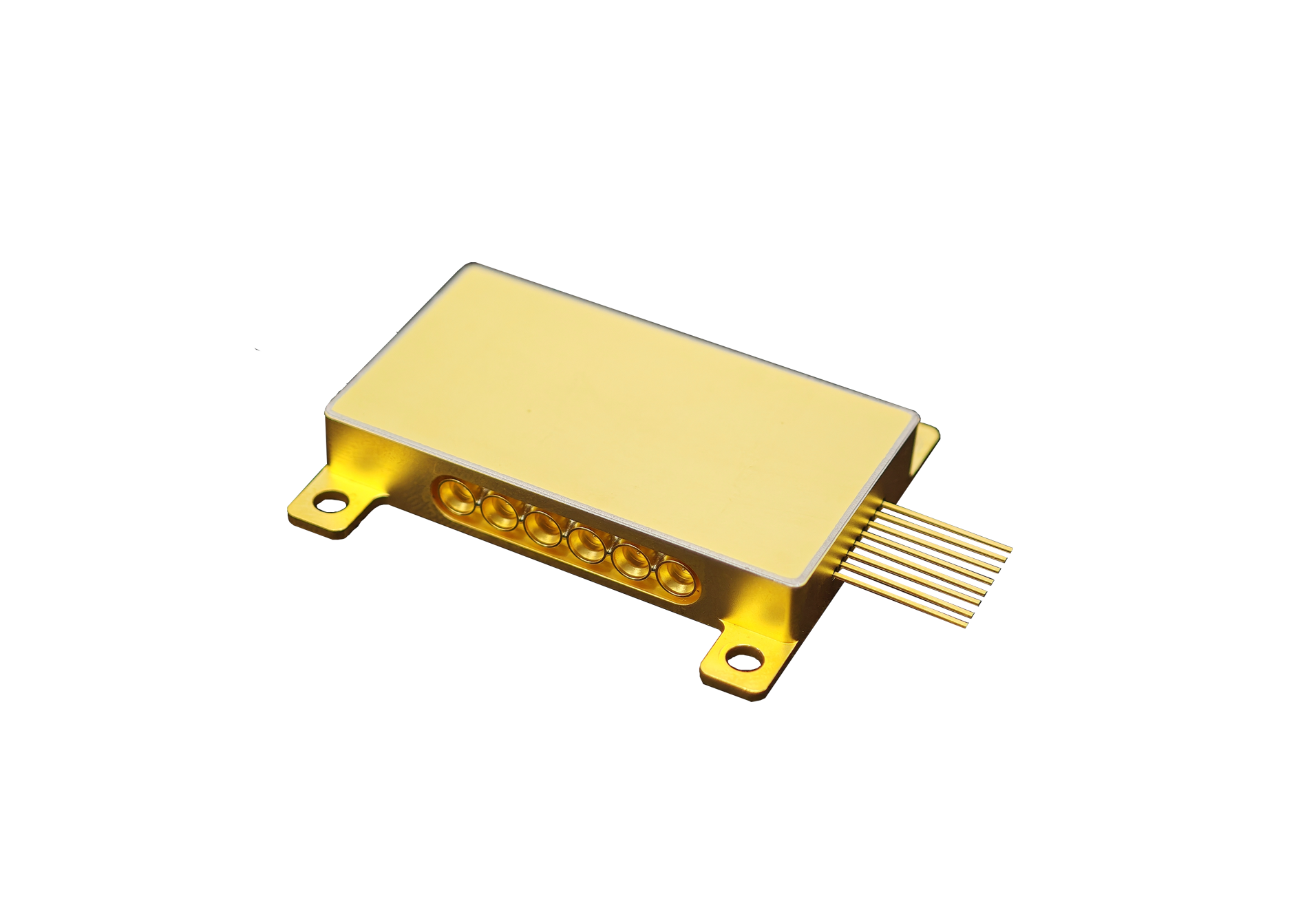
For applications demanding robust phase stability—whether a single‑level or customizable 3‑level optical frequency comb—we recommend Liobate’s TFLN Devices and phase modulator solutions. Our thin‑film lithium niobate technology delivers 25 GHz RF bandwidth, <2.5 V half‑wave voltage, and <9 dB insertion loss in a compact, high‑integration package. Let Liobate help you eliminate drift and achieve reliable, long‑term modulator performance.


 The previous article
 Returns the list