The demand for faster, more efficient optical systems is accelerating across communication networks, sensing platforms, and advanced photonic applications. At Liobate, we develop high-performance TFLN devices based on thin-film lithium niobate technology to help businesses overcome the challenges of high-speed signal transmission.
A thin film lithium niobate modulator provides the bandwidth, efficiency, and integration advantages needed for next-generation photonic systems, making it an important component for future optical innovation.
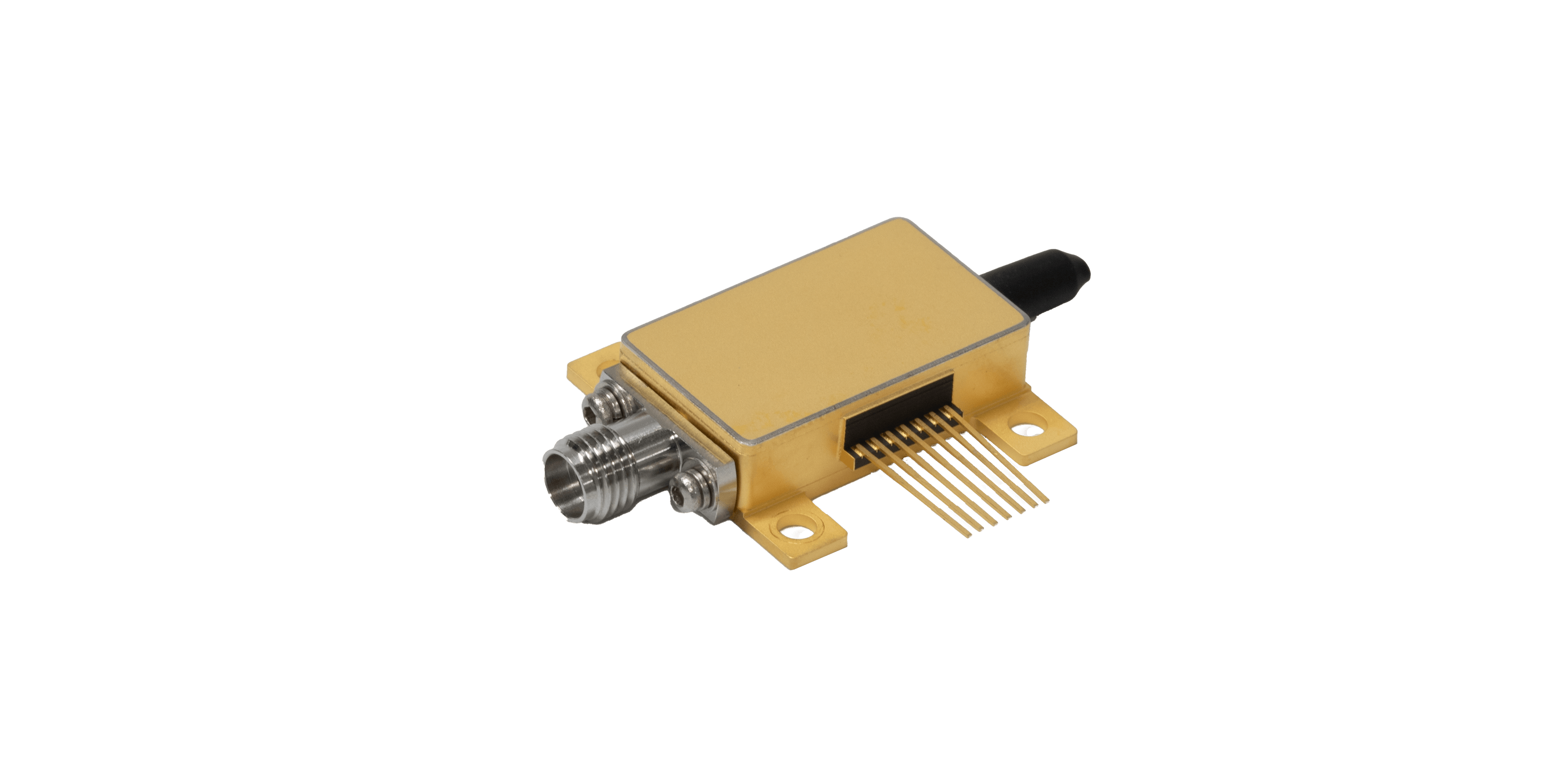
Understanding the Role of a Thin Film Lithium Niobate Modulator
A thin film lithium niobate modulator is an advanced optical component designed to control light signals by using the electro-optic properties of lithium niobate. By converting electrical signals into precise optical changes, the modulator enables high-speed information transmission and accurate signal processing.
Traditional optical modulation technologies may face limitations when systems require higher bandwidth and lower energy consumption. Thin-film lithium niobate technology addresses these challenges by offering stronger electro-optic performance in a compact platform.
At Liobate, we use proprietary thin-film lithium niobate technology to develop TFLN devices that deliver ultra-high bandwidth, low drive voltage, and low insertion loss. These characteristics allow our solutions to support demanding optical communication and photonic applications where performance and reliability are critical.
Why Thin-Film Lithium Niobate Technology Supports High-Speed Photonics
High-speed photonic systems require components that can process signals quickly while maintaining signal quality. Lithium niobate has long been valued in optical engineering due to its excellent electro-optic coefficient and stable material properties. The thin-film structure further improves integration possibilities and device performance.
Compared with traditional lithium niobate platforms, thin-film lithium niobate enables smaller device structures while maintaining strong modulation efficiency. This makes it possible to design optical components with higher bandwidth and improved power efficiency.
Our TFLN devices are developed to meet these requirements by combining advanced material engineering with optimized photonic circuit design. This approach allows us to provide fiber optic modulators that support next-generation communication systems, microwave photonics, and precision sensing technologies.
Key Advantages of Liobate TFLN Devices
The performance of optical systems depends heavily on the capabilities of individual photonic components. Our TFLN devices are designed with several advantages that help businesses achieve better system performance.
Ultra-high bandwidth is one of the most important benefits. As data traffic continues to grow, optical networks require modulators that can support faster transmission speeds. High-bandwidth TFLN modulators help meet these requirements by enabling efficient signal processing at advanced frequencies.
Low drive voltage is another important advantage. Reducing the electrical power required to operate optical components helps improve system efficiency and supports sustainable infrastructure development. Our thin film lithium niobate modulator solutions are designed to provide strong modulation performance with lower power requirements.
Low insertion loss also plays a key role in maintaining optical signal quality. By minimizing signal attenuation during transmission, our devices help improve overall system reliability and reduce performance degradation.
20/40 GHz Phase Modulator for Microwave Photonic Applications
Liobate’s 20/40 GHz phase modulator demonstrates the capabilities of our thin-film lithium niobate technology. Designed for high-performance phase modulation, this device supports microwave photonic and sensing applications that require accurate and stable optical signal control.
The modulator provides a 3dB bandwidth of 40GHz, enabling high-speed operation for advanced photonic systems. It also features an insertion loss of less than 3.5dB and a half-wave voltage below 3.5V, helping achieve efficient modulation with reduced signal loss.
With a maximum RF input power of 33dBm, this phase modulator can support demanding microwave photonic applications. Its combination of bandwidth, efficiency, and power handling capability makes it suitable for systems requiring high-performance optical signal processing.
Expanding Applications of TFLN Devices in Modern Industries
The development of TFLN devices is creating new opportunities across multiple industries. Optical communication systems increasingly rely on advanced modulators to support higher data rates and improved transmission efficiency.
Beyond telecommunications, thin-film lithium niobate modulators are also valuable for microwave photonics, sensing, and other emerging technologies. Their ability to provide precise optical control makes them suitable for applications where speed and accuracy are essential.
At Liobate, we focus on developing TFLN-based solutions that address the evolving needs of modern photonic systems. Our product portfolio supports various optical modulator applications by combining advanced material technology with practical engineering solutions.
Advancing High-Speed Photonics with Liobate Technology
The future of photonics depends on technologies that can deliver higher speed, better efficiency, and greater integration. A thin film lithium niobate modulator provides the performance foundation required for many next-generation optical systems.
At Liobate, we are committed to advancing TFLN technology through the development of high-performance fiber optic modulators and photonic integrated solutions. Our TFLN devices are designed to help businesses build optical systems with greater bandwidth, lower power consumption, and improved reliability.
As industries continue to demand faster communication and more precise photonic technologies, thin-film lithium niobate will remain an important platform for innovation. Through continuous research and engineering development, we support the advancement of high-speed photonics and helps shape the future of optical technology.


 The previous article
 Returns the list