We at Liobate recognize that achieving high-performance optical systems depends not only on device design but also on precise packaging and rigorous testing. As data rates scale toward 3.2T, the role of advanced electro optic modulator integration becomes increasingly critical. With the adoption of TFLN chips, the industry is able to reach higher bandwidth, lower power consumption, and improved signal fidelity. However, these advantages can only be realized when packaging and testing processes are carefully controlled. Drawing on our experience with Liobate technologies, we outline a practical approach to handling TFLN chips and ensuring reliable electro optic modulator performance in real-world applications.
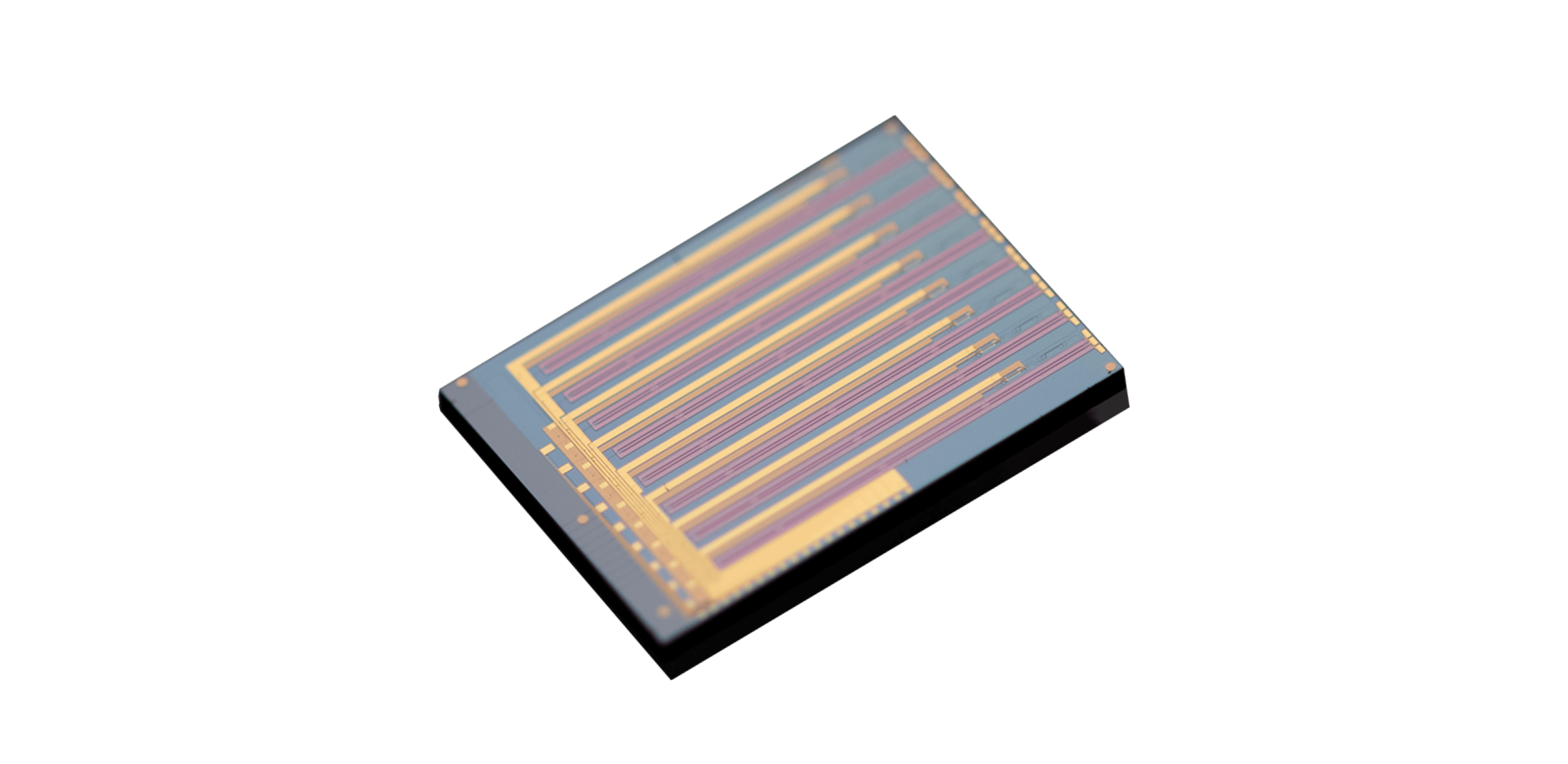
Step 1: Precision Packaging for TFLN Chips
We begin with packaging, where mechanical alignment and optical coupling are key. TFLN chips require precise fiber-to-chip alignment to minimize insertion loss, especially when targeting values below 14 dB, including coupling loss. For high-speed electro optic modulator devices operating at 110 GHz bandwidth, even small misalignments can degrade performance. We typically adopt advanced packaging techniques that ensure stable optical paths and efficient RF signal delivery. Thermal management is also integrated at this stage to maintain consistent device operation. Through Liobate technologies, we refine packaging workflows to support both differential and single-ended configurations, enabling flexibility for different system architectures.
Step 2: Electrical and Optical Integration
We then focus on integrating electrical and optical interfaces. TFLN chips designed for 3.2T DR8 applications require careful RF design to support high-speed signal transmission. With a half-wave voltage below 1.5 V in differential mode, the electro optic modulator benefits from reduced driving power, but it also demands precise impedance matching. We ensure that electrode structures are optimized to minimize signal reflection and loss. At the same time, optical waveguides must maintain high extinction ratios above 25 dB. By applying Liobate technologies, we align electrical and optical performance targets to achieve stable and efficient system integration.
Step 3: Comprehensive Testing and Validation
We complete the process with thorough testing and validation. For TFLN chips, testing includes bandwidth verification, insertion loss measurement, and extinction ratio evaluation. High-frequency testing is particularly important for electro optic modulator devices operating at 110 GHz. We also conduct environmental and reliability tests to ensure long-term stability under varying operating conditions. Through structured validation protocols, Liobate technologies help confirm that each device meets the required performance standards before deployment. This step ensures that the advantages of TFLN chips are preserved throughout the product lifecycle.
Ensuring Reliable Performance Through Advanced Integration
We believe that successful deployment of electro optic modulator devices depends on the seamless combination of packaging precision, integration accuracy, and testing rigor. TFLN chips provide the foundation for high-speed optical systems, but their full potential is unlocked only through disciplined engineering processes. As we continue to develop Liobate technologies, we focus on improving each stage of this workflow to support next-generation optical communication systems. We recommend our expertise and Liobate technologies for organizations seeking reliable, high-performance solutions in TFLN chips and electro optic modulator integration.


 The previous article
 Returns the list