Operational success in modern photonic networks depends on the precision of the hardware deployed within data centers and autonomous driving platforms. At Liobate, we evaluate how our components function within these complex environments, ensuring that our technical specifications provide the necessary reliability for high-capacity throughput. When we assess the effectiveness of our TFLN devices, we look closely at bandwidth capacity, insertion loss, and drive voltage requirements. By focusing on these specific performance indicators, we verify that our photonic integrated circuits meet the rigorous demands of emerging infrastructure. Ensuring that each unit functions within defined parameters allows us to support consistent signal integrity in applications where precision is critical.
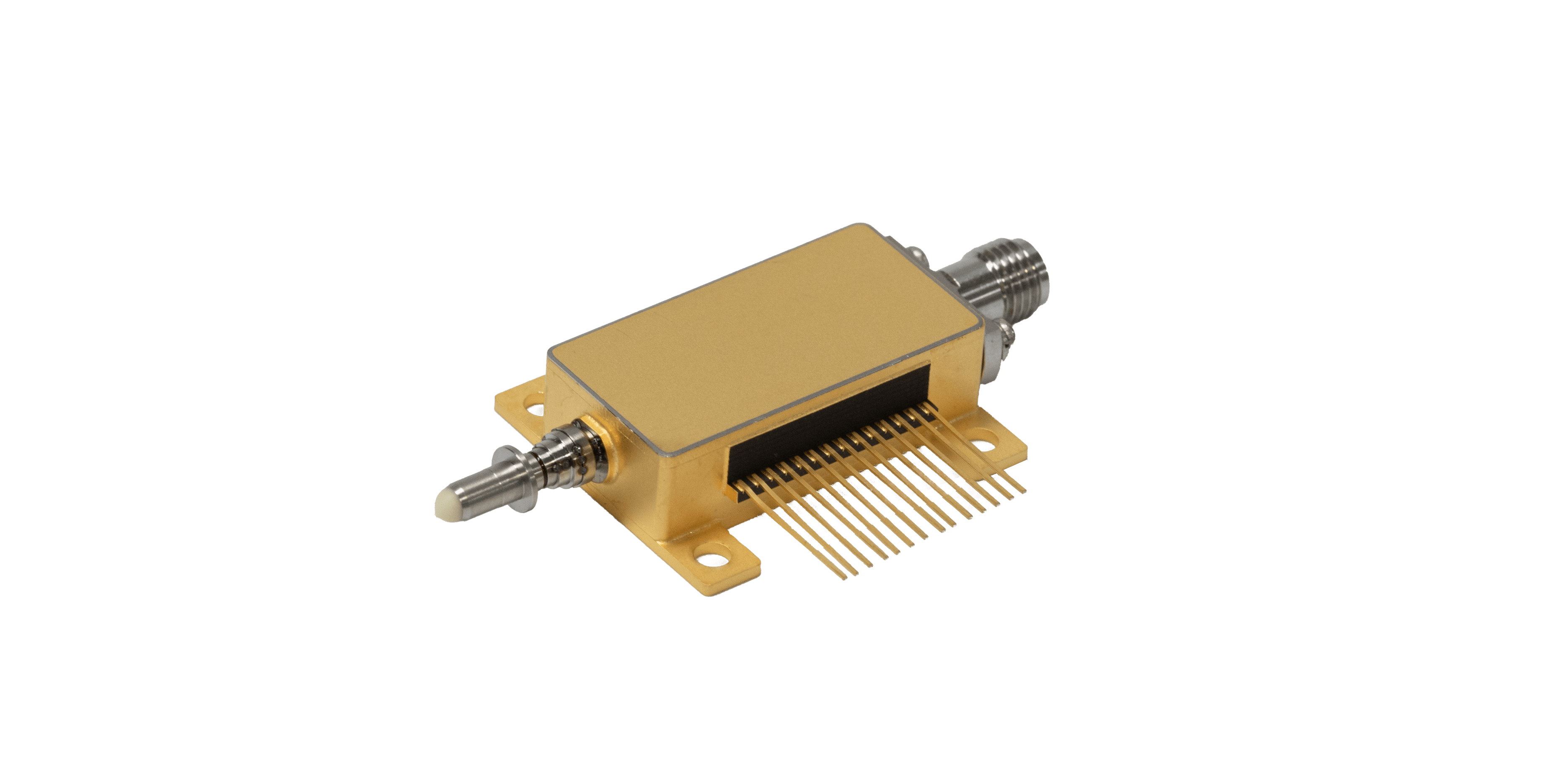
Evaluating Bandwidth and Power Efficiency
High-speed data transmission requires components that maintain signal fidelity across wide frequency ranges. We prioritize the development of modulators that achieve bandwidths exceeding 100 GHz, as this level of performance is essential for next-generation optical networks. When we test our high speed optical modulator units, we monitor the electro-optic response to confirm that they function efficiently without requiring excessive power. By keeping our drive voltages below 1.5 V, we reduce the thermal burden on high-density systems, which is a major technical challenge in compact modules. This focus on energy efficiency helps our partners implement scalable architectures without compromising on processing speed or signal clarity.
Stability in Harsh Operating Environments
Autonomous driving and optical communication systems frequently operate in conditions that demand extreme physical and thermal resilience. We recognize that even minor deviations in performance can impact the overall reliability of a sensor array or a communication link. In our production process, we implement strict wafer-scale testing to verify that our TFLN devices remain stable under varying operational cycles. Our internal data indicates that our proprietary fabrication methods successfully mitigate issues like bias drift, which often affects the reliability of traditional components. By ensuring that our products provide repeatable performance, we help resolve the technical hurdles associated with long-term durability in field deployments.
Precision Engineering for Integrated Photonics
Technical breakthroughs in light confinement allow for more compact and versatile photonic circuits. We utilize high-index contrast properties to fabricate waveguides that minimize signal loss, an essential metric when integrating multiple components into a single module. When we examine the performance of a high speed optical modulator in our test facilities, we analyze insertion loss metrics to ensure they stay below 5 dB. This precision ensures that light signals travel with minimal attenuation, supporting the high-density integration required for modern AI compute clusters and intelligent vehicles. Our commitment to these specific engineering benchmarks ensures that our hardware serves as a foundation for reliable system expansion.
Ensuring Reliable Long-Term Performance
Consistency serves as the core of our approach to providing photonic building blocks. We observe that by mapping real-world test data against our internal benchmarks, we can guarantee that our components perform reliably across different use cases. Through the systematic evaluation of TFLN devices, we provide our partners with the clarity needed to plan complex network upgrades and vehicle sensor architectures. By maintaining these high-quality standards in our manufacturing and testing protocols, we contribute to the effective operation of infrastructure in the optical industry. We remain dedicated to providing components that meet the technical requirements for speed, efficiency, and size, ensuring that our partners possess the necessary tools to handle the data demands of the future.


 The previous article
 Returns the list