We at Liobate recognize that Passive Optical Network (PON) systems are evolving rapidly as demand for higher bandwidth, lower latency, and greater energy efficiency continues to increase. In this context, selecting appropriate fiber optic modulators becomes a critical engineering decision that directly impacts system performance and long-term reliability. Alongside modulator performance, supporting tools such as fiber optic test equipment and optical measurement systems are essential for ensuring stable operation across deployment environments. Through Liobate technologies, we focus on aligning modulator design considerations with practical testing and validation workflows, enabling more consistent outcomes in PON applications.
Modulation Performance and Stability Requirements
We prioritize modulation performance as a primary selection factor for PON systems. Fiber optic modulators must deliver stable extinction ratios, low drive voltage, and minimal insertion loss to maintain signal integrity across distribution networks. In this process, fiber optic test equipment plays a key role in verifying modulation accuracy and identifying performance drift over time. Optical measurement systems are used to evaluate signal quality under varying load conditions, ensuring that modulators maintain consistent behavior. We also emphasize long-term stability, particularly in high-density network environments where continuous operation is required. By integrating Liobate technologies into modulator design, we support improved stability and reduced performance variation during extended operation.
Role of Testing Infrastructure in Modulator Selection
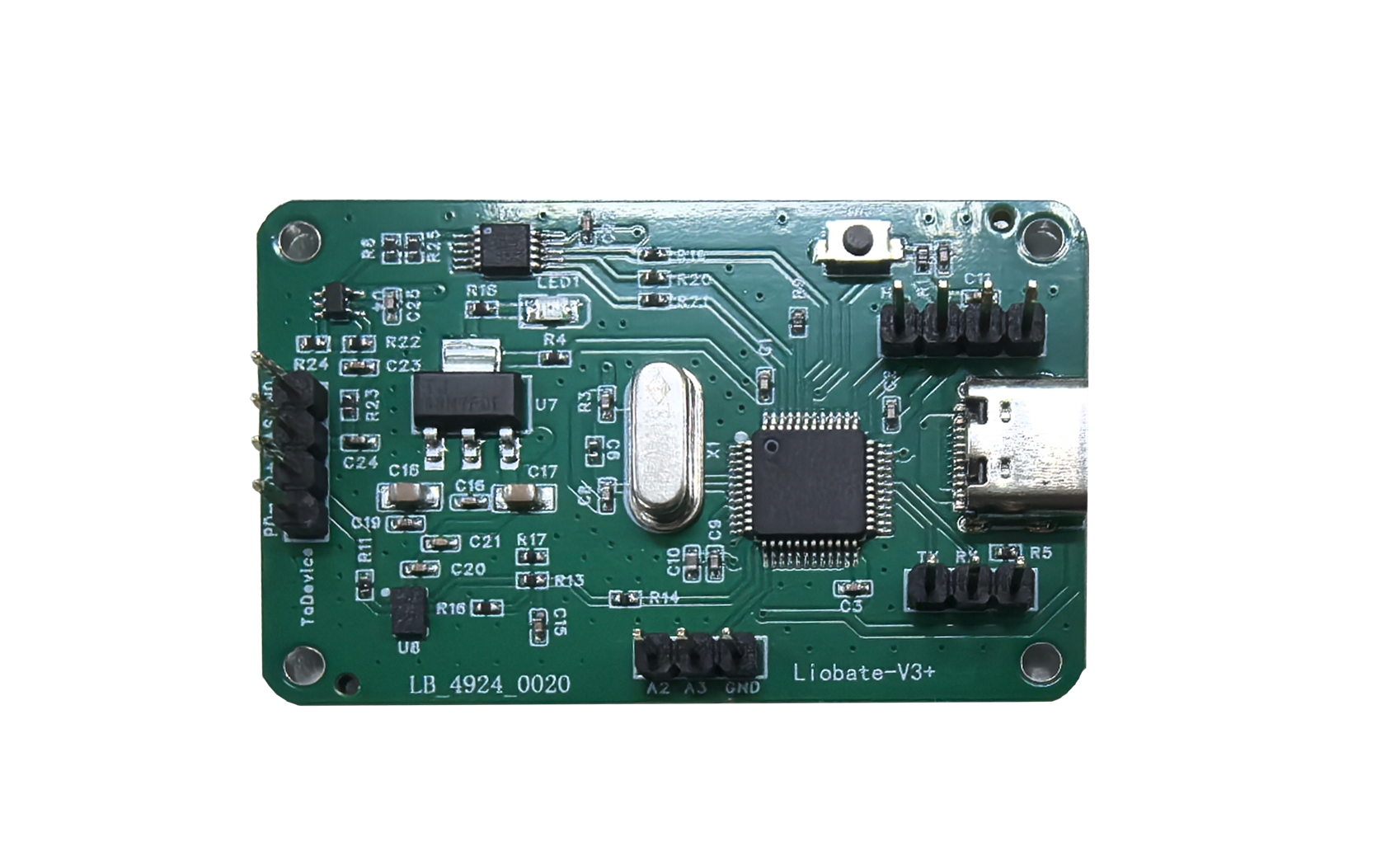
We recognize that selection of fiber optic modulators cannot be separated from the testing infrastructure used to validate them. Fiber optic test equipment provides essential insights into device behavior during both development and deployment phases. Optical measurement systems allow engineers to monitor key parameters such as bias point stability and signal distortion in real time. For example, intensity modulator bias controllers with automated adjustment functions help maintain optimal operating conditions, reducing the need for manual recalibration. These systems also benefit from compact design, making them suitable for integration into space-constrained testing environments. Through Liobate technologies, we enhance the compatibility between modulators and testing systems, ensuring more efficient validation workflows.
System-Level Integration and Operational Efficiency
We also consider system-level integration as a critical factor when selecting fiber optic modulators for PON applications. Modulators must operate seamlessly with fiber optic test equipment and optical measurement systems to support scalable deployment. Automated control mechanisms, such as bias stabilization systems, help reduce operational complexity and improve consistency across multiple network nodes. Additionally, small-footprint designs are increasingly important as network equipment becomes more compact and densely integrated. We apply Liobate technologies to ensure that modulators can be efficiently integrated into broader PON architectures while maintaining compatibility with advanced testing environments.
Supporting Reliable PON Networks Through Integrated Design
We conclude that selecting fiber optic modulators for PON systems requires a balanced evaluation of performance, stability, and integration with testing infrastructure. Fiber optic test equipment and optical measurement systems are not only validation tools but also essential components in ensuring long-term network reliability. As PON architectures continue to scale, the interaction between modulators and measurement systems will become even more important. We at Liobate recommend our Liobate technologies as a reliable foundation for organizations seeking to optimize fiber optic modulators and strengthen their fiber optic test equipment and optical measurement systems in next-generation PON deployments.


 The previous article
 Returns the list