Computing power for artificial intelligence requires immense data flow between processing units, creating a significant bottleneck in modern hardware. At Liobate, we observe that as clusters scale, the reliance on traditional electrical interconnects limits overall performance and energy efficiency. To address these constraints, we focus on the integration of advanced photonic solutions. Our work with specialized substrates allows us to develop tfln chips that provide the high bandwidth and low power consumption necessary for the dense, rapid communication required by generative AI workloads. By refining the materials and design of these components, we help our partners build more scalable and efficient data environments.
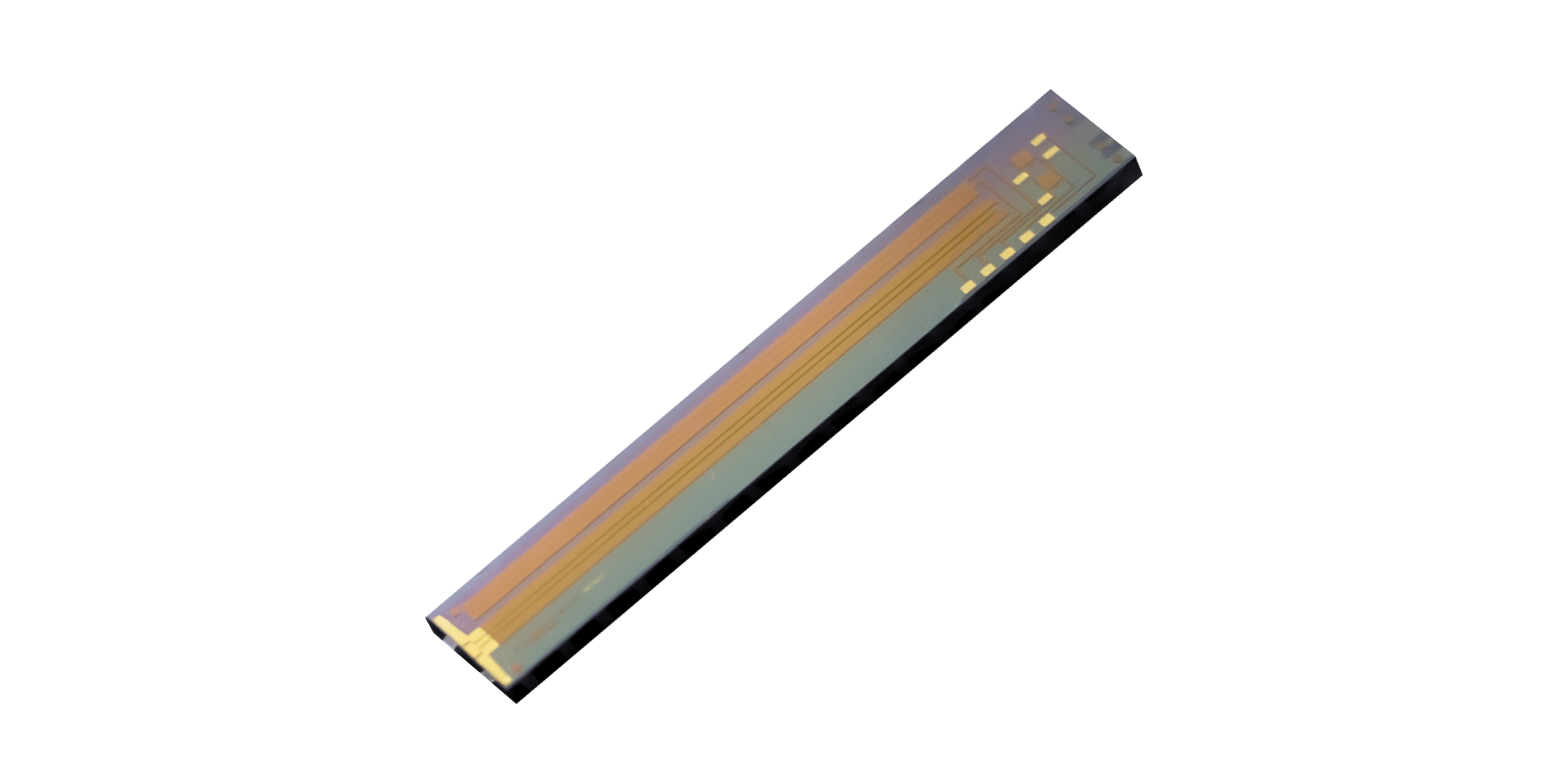
The Role of Photonic Components in AI Performance
Efficiency is critical when managing the massive data sets associated with large-scale artificial intelligence models. We find that moving data electrically over long distances results in heat and signal degradation, which hinders the speed of processing clusters. Our photonic chips offer a solution by converting electrical signals into light for transmission, which significantly reduces power loss. Because our technology supports bandwidths exceeding 100 GHz, it allows for faster data exchange between GPUs and switches. This high-speed capability ensures that the entire system remains responsive, reducing the wait times that occur when hardware components struggle to communicate at scale.
Overcoming Technical Challenges with TFLN Technology
Precision engineering is required to make optical systems viable for high-density environments. We have developed tfln chips that incorporate optimized waveguide designs, enabling reliable signal integrity while maintaining a compact physical size. Our team works to ensure that these components exhibit low insertion loss and stable performance across varying temperatures, which is a common requirement in the enclosed spaces of server racks. By utilizing this platform, we provide a path for designers to simplify their optical layouts without sacrificing the precision needed for complex signal processing tasks found in AI training environments.
Real-World Impact and Reliability
Consistent results provide the foundation for hardware that must operate continuously in demanding data centers. Internal testing on our photonic chips demonstrates that they maintain high performance levels, with half-wave voltages reaching as low as 1.5 V in differential operation. These performance benchmarks show that our components can be driven effectively by standard CMOS circuits, reducing the total energy burden on the host system. By focusing on these specific technical metrics, we ensure that our customers can rely on our products to perform consistently during long-term operations, thereby increasing the predictability and longevity of their AI infrastructure designs.
Supporting Future Data Demands
Progressing toward higher data rates and more efficient power usage requires a focus on fundamental material innovation. We continue to improve the fabrication processes for our components to ensure they meet the evolving needs of the telecommunications and autonomous driving sectors, alongside our work in data centers. By prioritizing high-speed, low-loss performance, we provide the tools required to address the technical hurdles inherent in current optical communication projects. Our technical team is available to discuss your specific requirements and demonstrate how our engineering can support the bandwidth or efficiency challenges facing your current development cycle.


 The previous article
 Returns the list