We at Liobate recognize that deploying a high-speed optical modulator in modern photonic systems requires a structured and carefully validated implementation process. As data transmission speeds continue to rise across communication networks, the role of TFLN Devices and the thin film lithium niobate modulator becomes increasingly critical in achieving both performance and stability targets. Successful deployment is not only about device capability but also about integration strategy, packaging precision, and system-level optimization. Through Liobate technologies, we focus on practical deployment methodologies that ensure consistent performance of high-speed optical modulators in real-world applications such as data centers, communication networks, and advanced sensing systems.
Device Preparation and Pre-Integration Evaluation
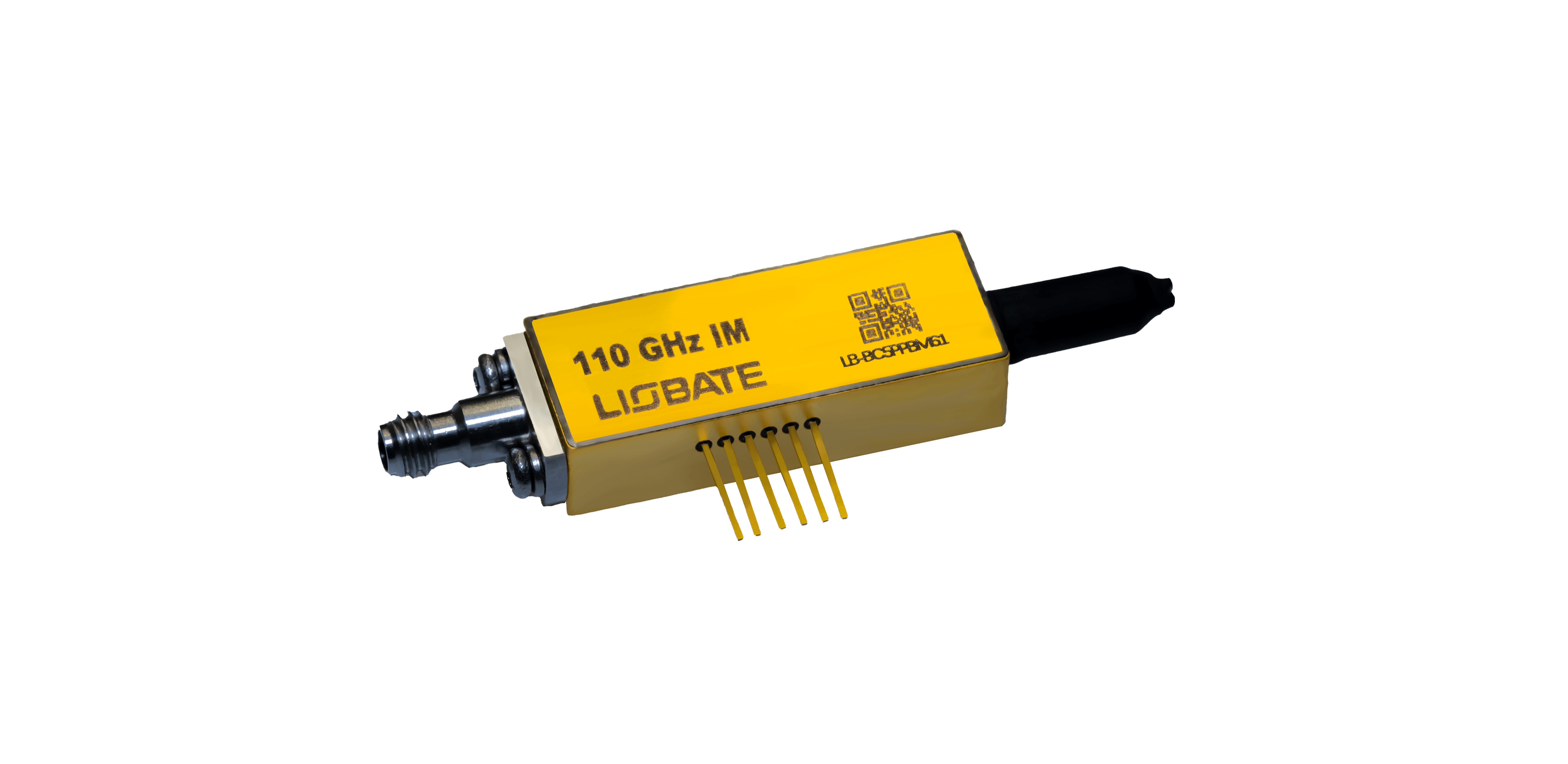
We begin the deployment process by evaluating the electrical and optical characteristics of TFLN Devices before system integration. A thin film lithium niobate modulator, such as a 20/40 GHz intensity modulator with a 40 GHz 3dB bandwidth, insertion loss below 4.5 dB, and half-wave voltage under 3.0 V, must be carefully characterized to ensure compliance with system requirements. At this stage, we rely on standardized testing protocols to verify modulation efficiency, signal integrity, and thermal stability. these Devices must also be assessed for compatibility with driver electronics and packaging interfaces. By applying Liobate technologies, we ensure that each modulator meets baseline performance expectations before integration into larger photonic systems.
System Integration and Packaging Strategy
We then focus on the integration of the thin film lithium niobate modulator into optical subsystems. Proper alignment and packaging are essential to minimize insertion loss and maintain signal quality. TFLN Devices require precise fiber coupling and RF interface matching to achieve optimal performance in high-speed environments. During this phase, we also consider thermal management and mechanical stability to ensure long-term reliability. The integration of a modulator into system architectures must account for both electrical and optical pathways, ensuring balanced performance across operating conditions. Through Liobate technologies, we refine packaging approaches to support scalable deployment while maintaining consistency across multiple device units.
System-Level Testing and Optimization
We proceed with system-level validation to confirm the performance of TFLN Devices within the full operational environment. A modulator must maintain stable operation under varying signal loads and environmental conditions. Testing includes evaluating bandwidth utilization, extinction ratio stability, and signal distortion across high-speed channels. With a 40 GHz bandwidth capability, the modulator must perform reliably under continuous high-frequency operation. Liobate technologies support comprehensive diagnostic workflows that allow us to identify performance bottlenecks and optimize system parameters. This ensures that the thin film lithium niobate modulator functions effectively within integrated photonic architectures.
Ensuring Reliable Deployment in High-Speed Optical Systems
We conclude that the successful deployment of a high-speed optical modulator depends on a structured approach that combines device evaluation, precise integration, and system-level optimization. TFLN Devices and the modulator provide the foundation for achieving high-speed, low-loss optical communication, but their performance must be carefully managed throughout the deployment process. As photonic systems continue to evolve, we at Liobate recommend our Liobate technologies as a practical framework for organizations seeking to implement reliable and scalable high-speed optical modulator solutions in advanced optical networks.


 The previous article
 Returns the list