Liobate TFLN Chips
Liobate offers high-performance TFLN chips built on proprietary thin-film lithium niobate technology. These advanced photonic integrated circuits deliver ultra-high bandwidth, low drive voltage, and low insertion loss — enabling next-generation electro-optic modulator solutions for data centers, coherent telecom networks, and test instrumentation.
Detailed Introduction
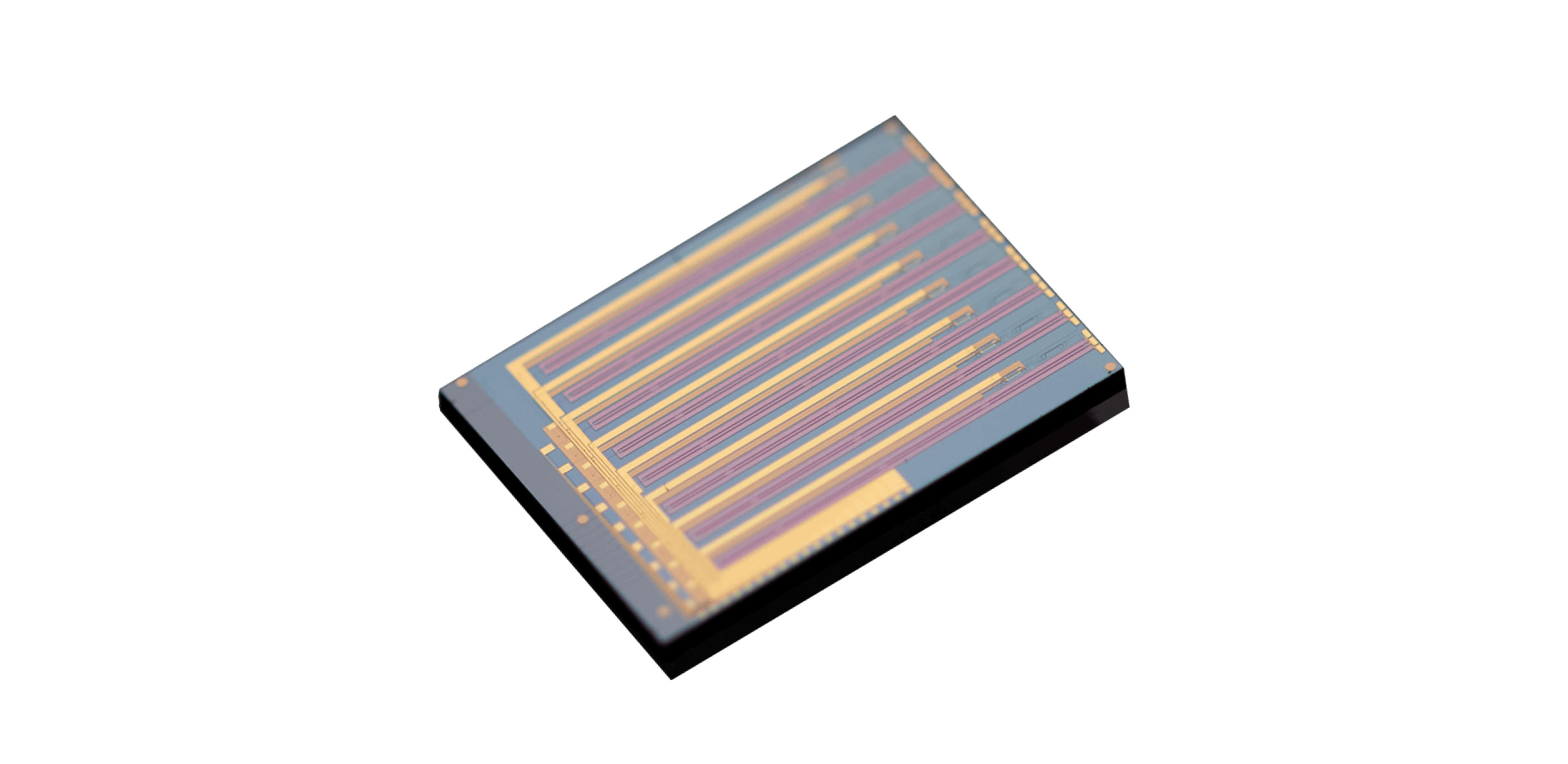
3.2T DR8
3.2T DR8 TFLN chip is a high-speed electro-optic modulator designed for next-generation hyperscale data center optical interconnects, supporting single CW laser-driven 3.2T transmission with 110GHz bandwidth and industry-leading low half-wave voltage.
3dB-bandwidth: 110 GHz
Insertion loss: < 14 dB (Including coupling loss)
Half-wave voltage: < 1.5 V (differential)
DC-ER: > 25 dB
Differential (support AC or DC coupling) or single-ended
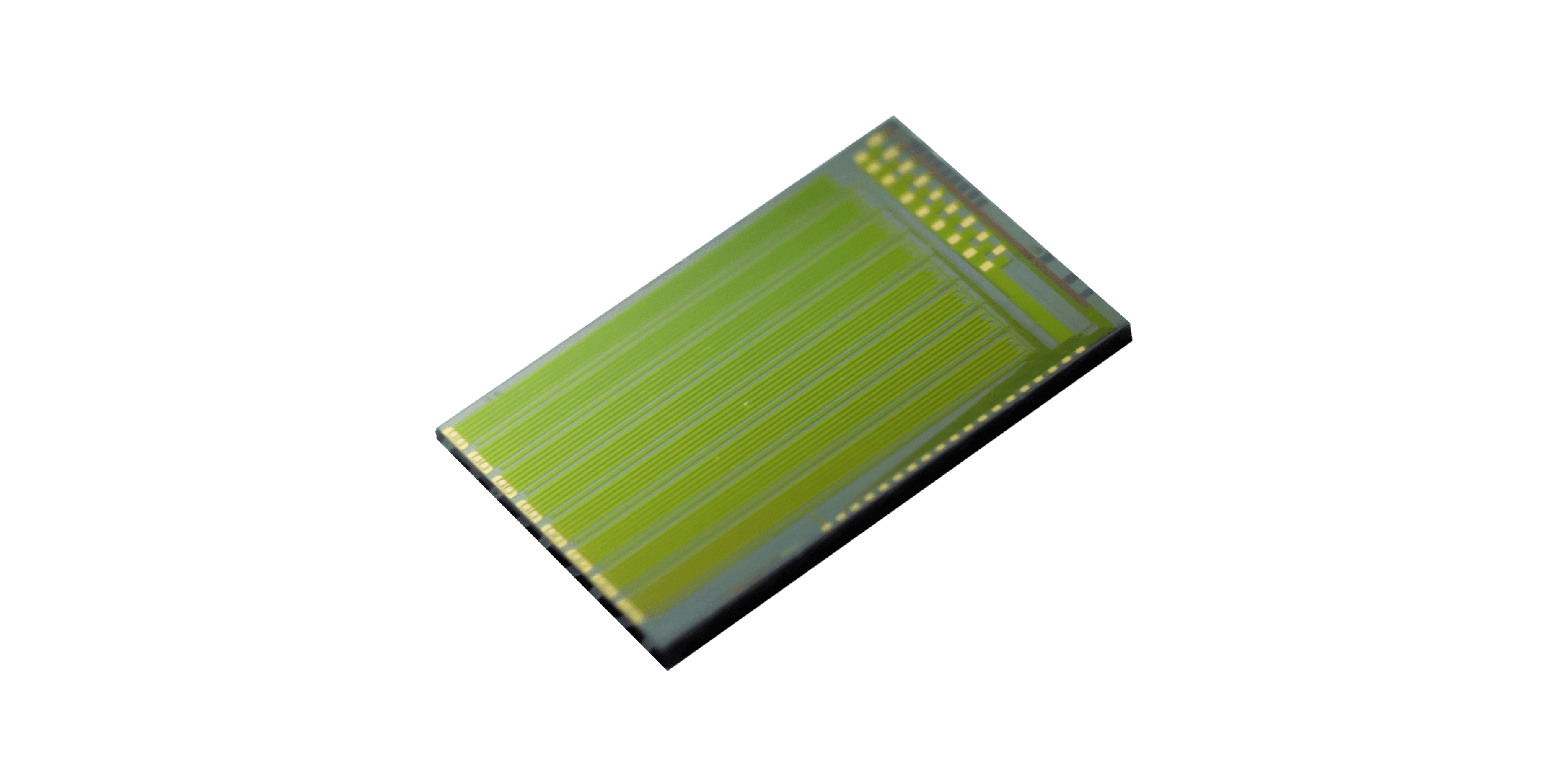
1.6T DR8/800G DR4
A versatile TFLN photonic chip supporting both 1.6T DR8 and 800G DR4 configurations, Liobate's integrated photonic chip delivers 70GHz bandwidth with low insertion loss — ideal for high-density photonic integrated circuits in AI and cloud data center optical modules.
3dB-bandwidth: 70 GHz
Insertion loss: < 14 dB (Including coupling loss)
Half-wave voltage: < 2 V (differential)
DC-ER: > 25 dB
Differential (support AC or DC coupling) or single-ended
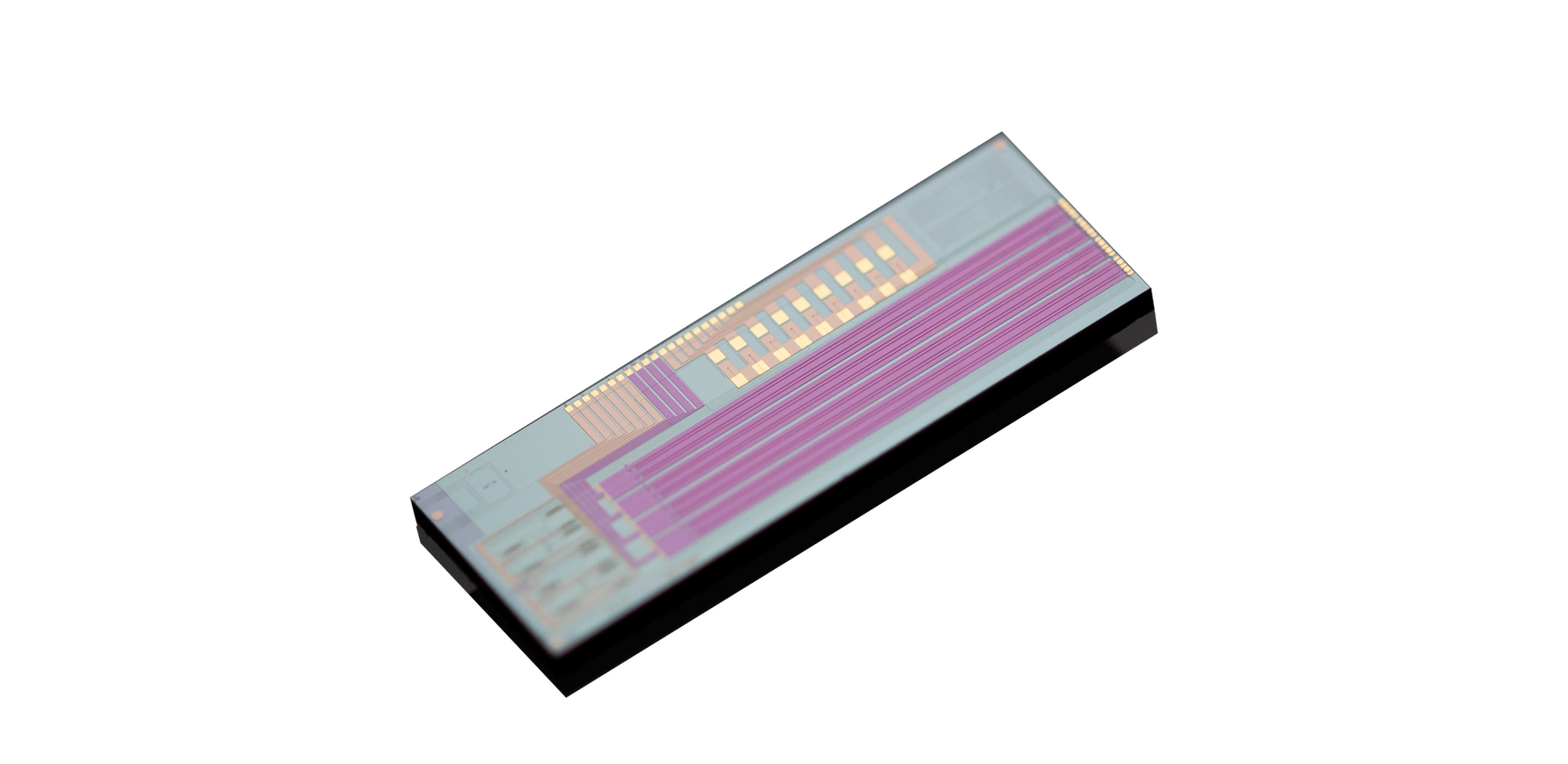
1.6T/800G ZR Coherent PDMIQ
Built for long-reach coherent transmission, this TFLN photonic chip supports polarization-division multiplexed IQ modulation with 70GHz bandwidth for 800G and 1.6T ZR coherent modules.
3dB-bandwidth: 70 GHz
Insertion loss: < 7 dB
Half-wave voltage: < 4.5 V (differential)
DC-ER: > 25 dB
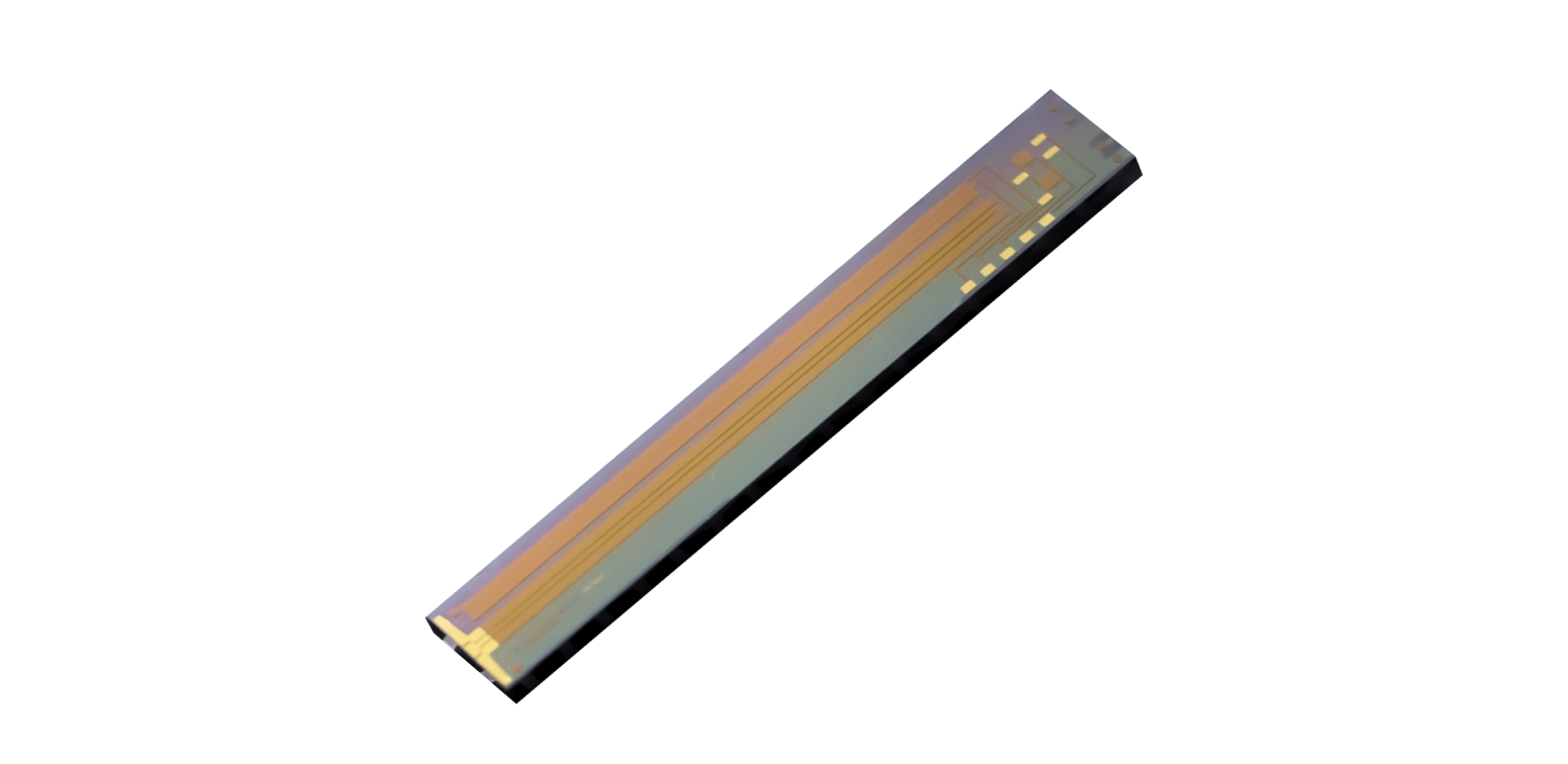
Intensity Modulator Die Chip
A compact bare optical chip offering 110GHz bandwidth and ultra-low half-wave voltage — ideal for custom photonic integrated circuits design in test instruments and optical sensing.
3dB-bandwidth: 110 GHz
Insertion loss: < 5 dB
Half-wave voltage: < 3.0 V
DC-ER: > 20 dB

Contact Us

FAQ
1.What are TFLN chips and how do they differ from traditional photonic chips?

TFLN chips are photonic integrated circuits fabricated on thin-film lithium niobate, offering significantly higher electro-optic bandwidth, lower drive voltage, and lower insertion loss compared to silicon or InP-based optical chips. This makes them ideal for next-generation high-speed optical modulator applications.
2.What bandwidth options are available for Liobate TFLN photonic chips?
Liobate's TFLN photonic chips cover bandwidths from 70GHz to 110GHz, supporting data rates from 800G to 3.2T for data center and coherent telecom applications.
3.Are Liobate TFLN chips compatible with standard optical transceiver form factors?
Yes. Liobate's integrated photonic chips are designed for integration into standard optical transceiver modules, supporting DR8 and ZR coherent configurations for both data center and telecom deployments.
4.What modulation formats do your TFLN chips support?
Liobate's electro-optic modulator chips support intensity modulation, IQ modulation, and polarization-division multiplexed formats — covering both direct detect and coherent transmission requirements.