The performance of an optical intensity modulator directly affects the efficiency and reliability of modern optical communication systems. As data transmission speeds increase, accurate testing becomes essential to verify device stability, signal quality, and overall system performance.
At Liobate, we develop TFLN-based photonic solutions and precision optical test equipment designed to support advanced measurement requirements. By understanding the key parameters involved in optical intensity modulator testing, engineers can better evaluate devices and build more reliable optical networks.
Understanding the Importance of Optical Intensity Modulator Testing
An optical intensity modulator controls the power level of an optical signal by adjusting light intensity according to electrical input signals. These devices are widely used in optical communication, coherent transmission systems, and advanced photonic applications where precise signal control is required.
Testing an optical intensity modulator is essential because even small performance variations can influence transmission quality. Parameters such as insertion loss, extinction ratio, bandwidth, and bias stability determine how effectively the device converts electrical signals into optical outputs.
Measuring Insertion Loss for Optical Signal Efficiency
Insertion loss is one of the most important parameters when testing an optical intensity modulator. It represents the amount of optical power lost when the signal passes through the device. Lower insertion loss helps maintain stronger optical signals and improves overall system efficiency.
High insertion loss can reduce transmission distance and increase the need for additional optical amplification. Therefore, accurate measurement of this parameter helps engineers identify whether a modulator meets system requirements.
With advanced fiber optic test equipment, manufacturers and researchers can precisely measure optical power changes before and after modulation. This allows them to optimize device design and ensure that optical components provide reliable performance in real-world applications.
Evaluating Extinction Ratio and Modulation Quality
Extinction ratio is another critical parameter in optical intensity modulator testing. It describes the difference between the maximum and minimum optical power states produced by the modulator. A higher extinction ratio generally indicates better signal contrast and more effective modulation.
For high-speed optical communication systems, maintaining a strong extinction ratio is essential because it directly influences signal clarity. Poor modulation performance can lead to increased errors and reduced communication quality.
By using professional fiber optic test equipment, engineers can accurately analyze extinction ratio performance and confirm whether an optical intensity modulator can meet demanding application requirements. This testing process is particularly important for coherent communication systems that require precise optical signal control.
Testing Bandwidth and High-Speed Response
As optical networks continue to evolve, bandwidth measurement has become increasingly important. The bandwidth of an optical intensity modulator determines how quickly it can respond to electrical signals while maintaining stable optical output.
High-bandwidth modulators are required for applications such as data center interconnects and advanced communication infrastructure. Testing frequency response helps verify whether a device can support high-speed data transmission without significant signal degradation.
At Liobate, our TFLN-based technologies are designed to support high-speed photonic applications. Through advanced optical measurement solutions, engineers can evaluate device response characteristics and ensure that modulators perform effectively under demanding operating conditions.
Maintaining Stability Through Bias Control Testing
Bias stability is a key consideration for long-term optical intensity modulator performance. Many modulators require precise bias control to maintain consistent operating conditions. Without proper control, device performance may shift over time due to temperature changes or environmental factors.
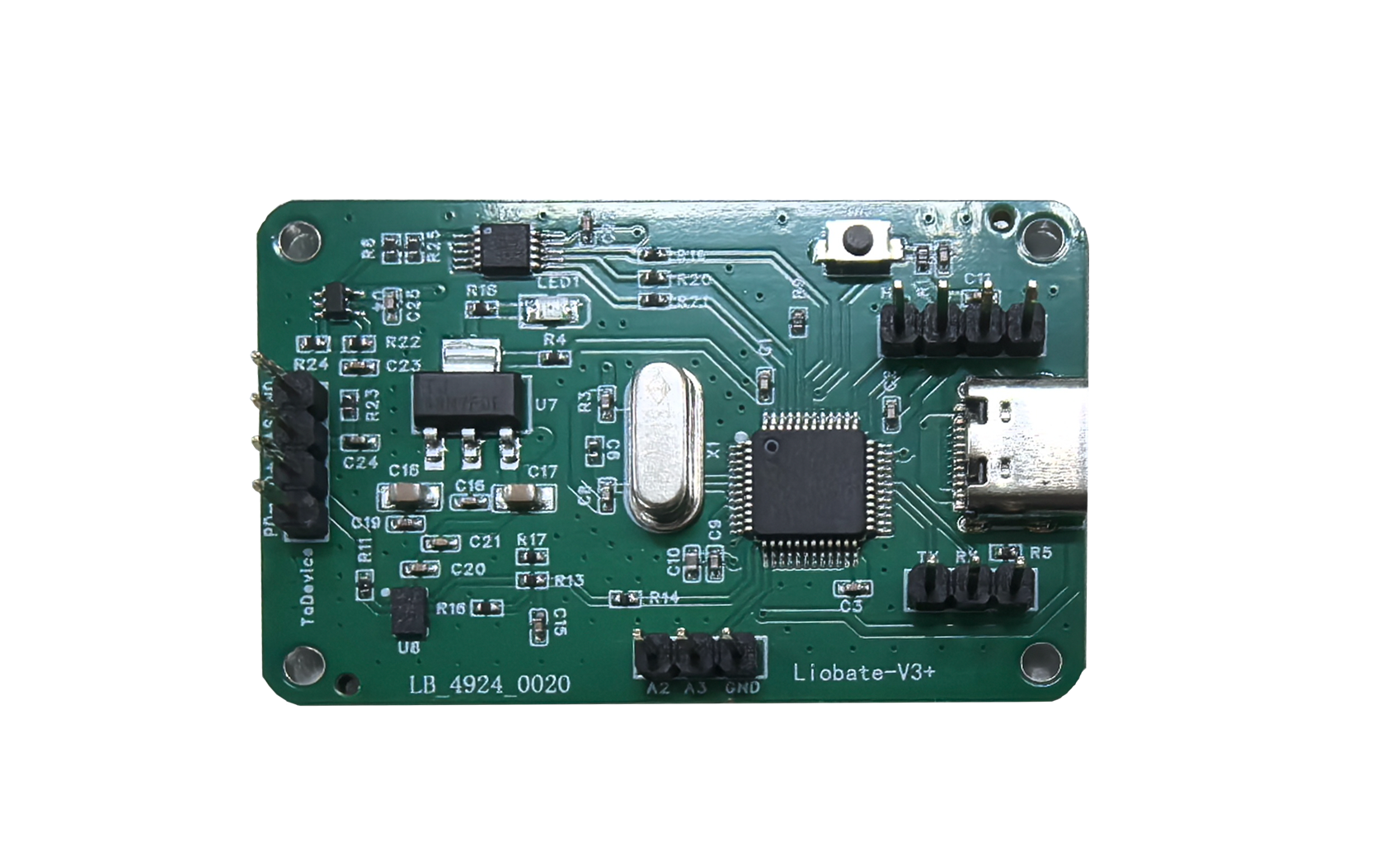
Liobate provides specialized optical test equipment, including an intensity modulator bias controller designed to improve long-term stability. This compact controller offers automated bias control for intensity modulators, helping maintain reliable operation during extended system use.
The device features automated bias adjustment, long-term stability, and a small footprint, making it suitable for advanced optical measurement systems. By improving bias management, engineers can reduce maintenance requirements and enhance system reliability.
The Role of Fiber Optic Test Equipment in Advanced Optical Development
Modern optical systems require accurate and efficient testing methods throughout research, development, and production processes. Fiber optic test equipment provides the measurement capabilities needed to analyze optical devices and confirm performance standards.
For coherent communication applications, testing equipment must support precise measurements of optical signals, modulation characteristics, and system behavior. Reliable testing helps businesses reduce development risks and accelerate the deployment of advanced optical technologies.
Building More Reliable Optical Systems with Liobate Solutions
Optical intensity modulator testing plays a vital role in ensuring the quality and reliability of modern photonic systems. By measuring important parameters such as insertion loss, extinction ratio, bandwidth, and bias stability, engineers can better understand device performance and improve system designs.
At Liobate, we provide TFLN-based photonic solutions and precision optical test equipment for demanding applications in coherent communications and optical measurement. Our technologies help businesses evaluate optical components more effectively while supporting the development of high-speed, energy-efficient communication systems.
As optical networks continue to advance, accurate testing will remain essential for achieving higher performance and reliability. Through innovation in thin-film lithium niobate technology and optical measurement solutions, we continue to support the future of photonic system development.


 The previous article
 Returns the list