Choosing the right thin film lithium niobate modulator is a critical step for companies involved in advanced optical communications or photonic integration. At Liobate, we understand the technical challenges and operational considerations that come with selecting high-performance modulators. A well-prepared procurement checklist can help your team identify the essential specifications, evaluate vendor capabilities, and ensure alignment with project timelines. Our company has extensive experience supporting TFLN Devices for a wide range of customers, including optical module manufacturers, communication equipment providers, and research institutions.
Key Specifications to Consider
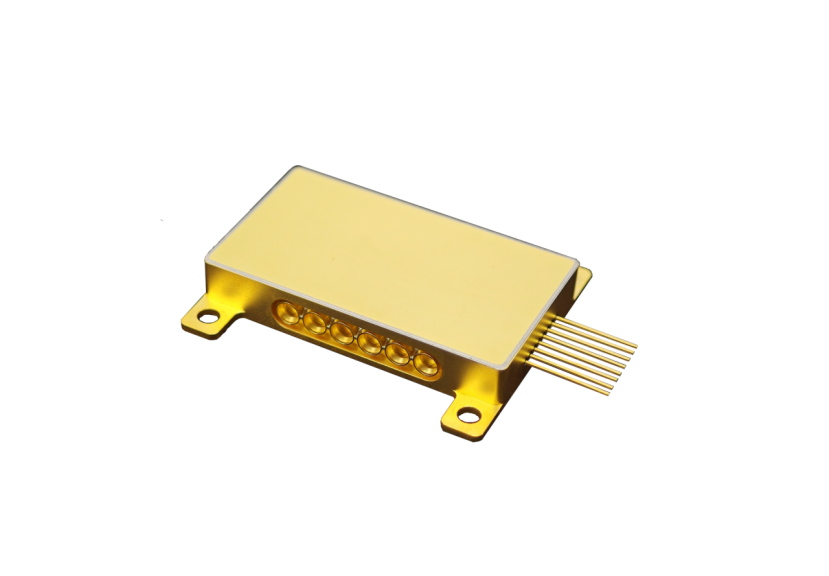
When assessing TFLN Devices, several technical parameters should be prioritized. First, evaluate the modulator’s RF bandwidth and half-wave voltage, as these determine signal speed and driving efficiency. For example, our thin film lithium niobate modulator supports a RF bandwidth of 25GHz and a half-wave voltage below 2.5 V, enabling energy-efficient operation at high speeds. Insertion loss is another crucial metric; our modulators feature insertion loss less than 9 dB, maintaining signal integrity in complex systems. Companies should also consider size and integration; our devices are highly compact and suitable for dense photonic integration, simplifying assembly and reducing footprint in optical modules.
Integration with Optical Frequency Comb Systems
A procurement checklist should include compatibility with downstream systems, such as Optical Frequency Comb sources. Our modulators are optimized for use with 1-level optical frequency combs and can be customized for 3-level optical frequency combs, offering flexibility in multi-channel and high-precision applications. Integration with these combs ensures stable modulation and efficient signal processing. Our team provides technical guidance for adapting modulators to varying comb configurations, helping engineers implement high-performance solutions without extensive trial and error.
Vendor Evaluation and Customization
Beyond device specifications, selecting a reliable supplier is essential. At Liobate, we offer tailored R&D support, allowing customers to define modulation parameters, packaging, and thermal management strategies. A thorough checklist should include vendor capability assessment, production scalability, quality assurance, and adherence to international standards. Our experience in ultra-low-loss, ultra-high-speed thin film lithium niobate modulator design provides assurance that your procurement decision will meet both current project needs and future scalability requirements.
Conclusion: Ensuring a Complete Procurement Process
In conclusion, an effective procurement checklist for a thin film lithium niobate modulator should cover technical specifications, system compatibility, and vendor evaluation. By considering parameters such as RF bandwidth, half-wave voltage, insertion loss, and integration with Optical Frequency Comb systems, teams can make informed decisions that support high-speed optical communication, quantum research, and photonic innovation. At Liobate, we combine advanced TFLN Devices with customizable solutions to help customers achieve reliable performance and operational efficiency. Using a structured procurement approach ensures that your team secures modulators that align with both current and future technology demands.


 The previous article
 Returns the list