Accurate communication regarding hardware performance is vital when we analyze the specifications of modern photonic systems. As we work to improve the efficiency of high-speed networks, we often find that clear definitions help our partners make informed decisions about their infrastructure. At Liobate, we focus on providing high-performance solutions, and we believe that a shared language surrounding TFLN Devices is essential for effective technical collaboration. By standardizing these terms, we ensure that our team and our clients remain aligned during the verification process.
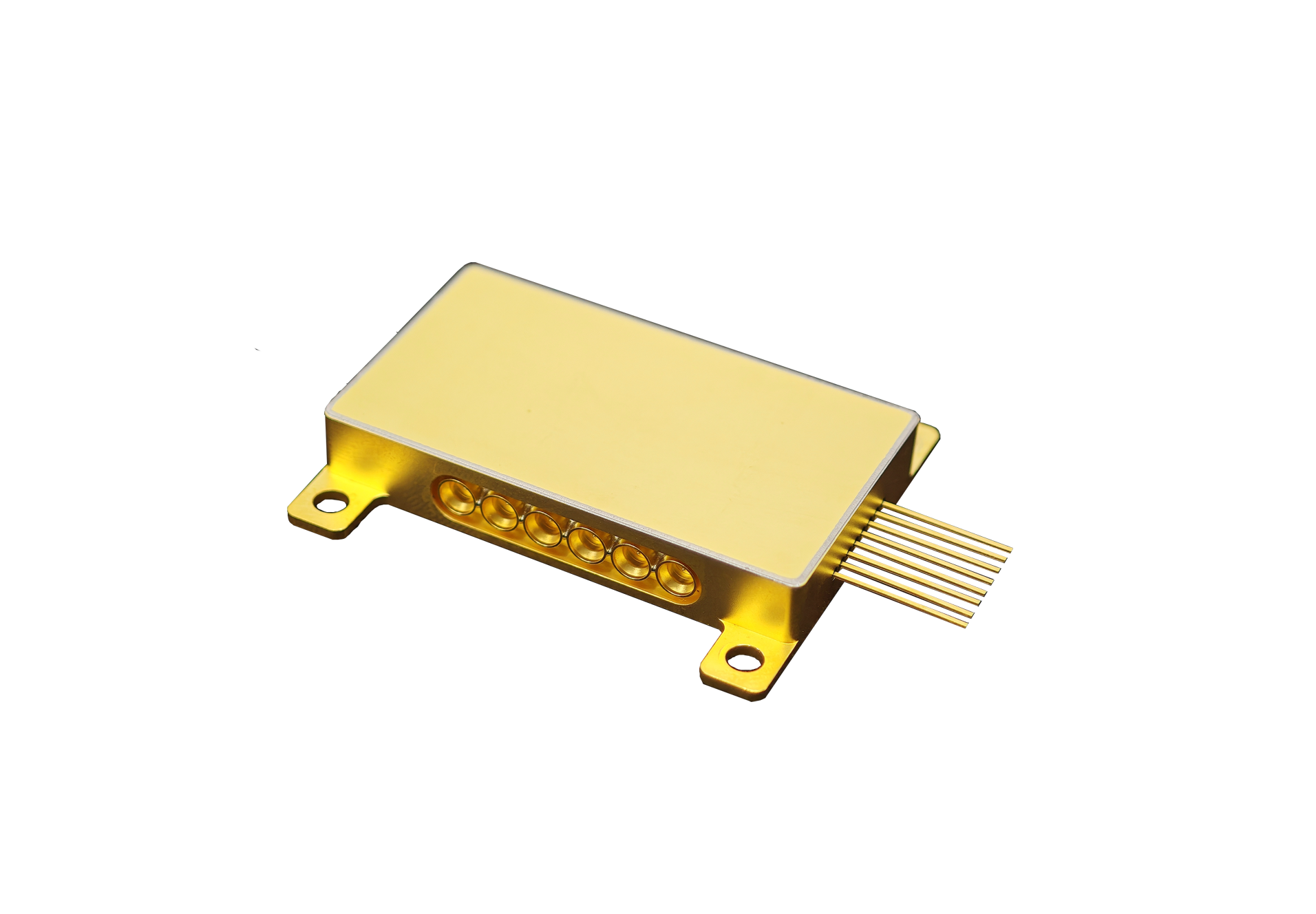
Key Performance Indicators in Modulation
When we evaluate the effectiveness of a high speed optical modulator, we focus on specific parameters that define its operation within a link. Bandwidth is perhaps the most discussed metric, representing the frequency range over which the device can maintain signal integrity. We also place significant emphasis on the half-wave voltage, which indicates the electrical pressure required to achieve a full phase shift. A lower voltage means less power consumption, a requirement for dense photonic integration. By focusing on these metrics, we help our partners optimize their system power budgets. We observe that when these parameters are clearly defined, the integration process into complex communication architectures becomes more predictable and less prone to costly iteration.
Stability and Signal Integrity Metrics
Reliability is a requirement for hardware deployed in demanding environments like autonomous driving or data centers. We use specific terms to track the performance of our TFLN devices over time. One critical concept is the bias point, which represents the optimal operating state for the modulator. We have developed proprietary techniques to suppress bias drift, a phenomenon where this point shifts and causes signal degradation. By providing stable hardware, we reduce the complexity of the control electronics that our customers need to design. When we discuss extinction ratio, we are looking at the contrast between the on and off states of the optical signal; a higher ratio ensures better signal clarity. These metrics are fundamental when we characterize our high speed optical modulator units during the testing phase, ensuring they meet the needs of modern high-capacity networks.
Integration Concepts for Photonic Systems
Beyond individual component performance, we think about how our hardware fits into larger systems. Insertion loss is a term we use to describe the amount of signal power lost as light travels through a component. We focus on minimizing this loss by optimizing our waveguide geometry and coupling interfaces. For our partners, this means a more efficient link budget and less strain on the laser sources. Additionally, we use integration density as a measure of how effectively we can pack various functions—like splitters and modulators—onto a single chip. As we continue to refine our processes, we focus on these practical definitions to help our clients move from prototype to production. By ensuring that our TFLN Devices are described with precision, we provide the clarity required for successful system design and deployment.
Summary of Technical Clarity
Refining our common vocabulary is a step toward building more reliable optical networks. By focusing on metrics like bandwidth, half-wave voltage, and insertion loss, we provide the information necessary for successful system integration. We remain dedicated to providing a high speed optical modulator that meets the specific demands of our customers, ensuring that our technical documentation reflects the rigors of real-world application. We look forward to continuing this work to support the next generation of infrastructure.


 The previous article
 Returns the list