In-depth research on the internal modulation mechanism of TFLN modulators helps to further optimize product performance and reduce the deployment cost of optical communication systems. We combine our self-developed 20/40 GHz intensity modulator products to analyze the working principle and core modulation mechanism of thin-film lithium niobate devices, providing theoretical support for industrial technical iteration.
Unveiling TFLN Devices: Why They Matter
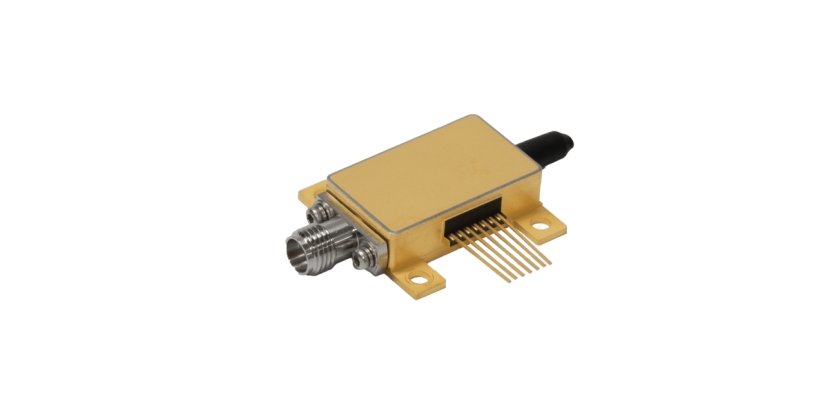
TFLN modulators leverage the unique properties of thin-film lithium niobate to provide high-speed modulation with exceptional performance. One of our flagship products, the 20/40 GHz intensity modulator, showcases the capabilities of this technology. With a 3 dB bandwidth of 40 GHz, it is engineered to meet the demands of modern communication systems.
These modulators are essential in achieving low insertion loss—less than 4.5 dB—and a half-wave voltage of less than 3.0 V. This significant reduction in voltage not only enhances efficiency but also minimizes energy consumption, making our TFLN devices ideal for environments where performance and cost-efficiency are paramount.
As the demand for bandwidth continues to rise, understanding the modulation mechanisms in TFLN devices becomes crucial. These devices allow for more effective manipulation of light signals, enabling wider data transmission channels that are vital for today's high-speed networks.
Mechanisms of Modulation in TFLN Devices
The modulation process in a TFLN modulator involves the interaction of electric fields with the optical signals traveling through the lithium niobate substrate. This interaction alters the refractive index of the material, enabling the modulation of light intensity. The compact design of our TFLN devices facilitates this process, ensuring rapid response times and high fidelity in signal transmission.
Our 20/40 GHz modulator exemplifies this. Its ability to support advanced modulation formats is made possible by the precision engineering inherent in TFLN technology. This not only results in superior performance but also ensures that businesses can deploy these modulators with confidence in their reliability and effectiveness.
Paving the Way for Future Applications
The implications of mastering modulation mechanisms in TFLN modulators extend beyond current applications; they shape the future of optical communication. As industries increasingly adopt advanced fiber optic solutions, selecting the right TFLN devices becomes critical for maintaining competitive advantage. Liobate is committed to pioneering innovations that drive progress in the field of optical communication. Our TFLN modulators are not just products; they represent a strategic investment in the future of telecommunications and data management.
The science behind TFLN devices is intricate and powerful, and understanding this technology allows us to push the boundaries of what's possible. Together, we can harness the capabilities of TFLN modulators to create high-performance communication systems, ensuring that your business remains at the forefront of the industry. Let's embark on this journey together, embracing the future of optical modulation with Liobate leading the charge. For deeper lithium-niobate modulation analysis, Liobate engineers can share tailored TFLN modulator datasets, technical white papers, and sample evaluation procedures.


 The previous article
 Returns the list