Preparing for the next generation of wireless networks requires a significant shift in how we process and modulate high-frequency signals. As we look toward the development of 6G systems, the move into the terahertz (THz) spectrum introduces substantial technical barriers related to signal stability and energy efficiency. At Liobate, we focus on providing hardware that directly addresses these constraints, ensuring that high-speed data transmission remains reliable even at extreme frequencies. By concentrating on the architecture of modern light-based components, we support the infrastructure necessary for these emerging communication standards.
The Technical Role of Modern Modulator Architectures
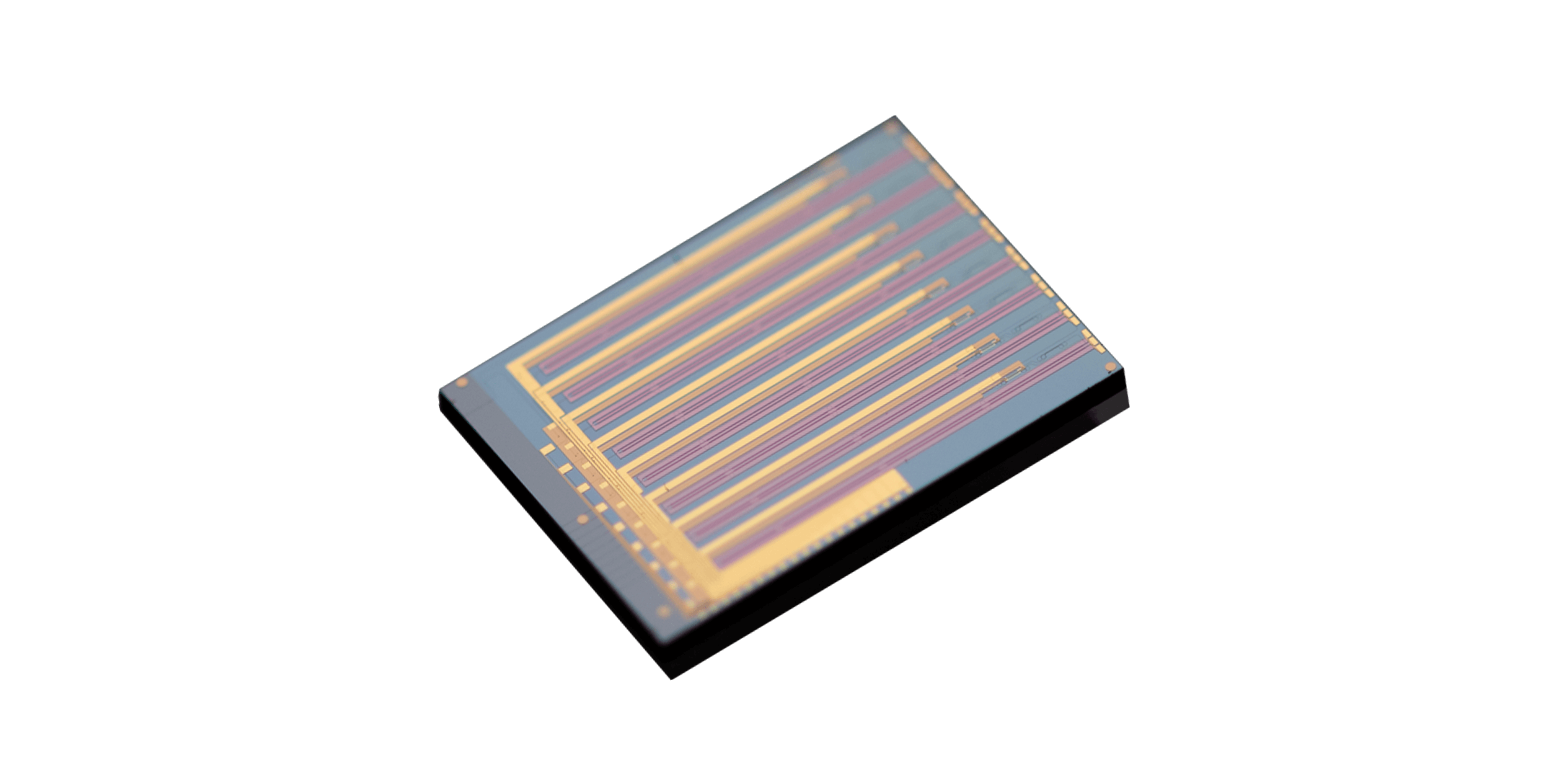
The transition to THz communication necessitates components capable of handling high bandwidths without excessive power consumption. In our work, we observe that traditional electronic modulation hits physical limitations that hinder performance. This is where tfln chips become essential. Our implementation of Thin-Film Lithium Niobate (TFLN) technology allows for lower half-wave voltages, often reaching sub-1V levels, which is a critical improvement over conventional designs.
By reducing the drive voltage, we enable direct integration with standard CMOS circuits. This shift simplifies the hardware design for 6G transceivers and reduces the thermal footprint of the entire system. When we evaluate the performance of our modulators, we see that the compact optical field confinement provided by these tfln chips allows for high-speed switching that stays consistent under the demanding requirements of terahertz-range data rates.
Enhancing Performance Through Photonic Integration
Integration serves as a cornerstone for building efficient networks. The ability to place multiple functionalities on a single platform reduces signal loss and minimizes the physical space required for deployment. When we develop our photonic chips, our priority is to maintain excellent signal fidelity while increasing the density of the circuitry. Our proprietary fabrication methods focus on ultra-low-loss optical waveguides and broadband RF circuits, which are vital for maintaining signal integrity as frequencies climb into the THz band.
Real-world testing of our photonic chips shows that these components excel at maintaining stable bias points over time, a common struggle in high-performance optical systems. By successfully suppressing bias drift, we provide a consistent output that is necessary for the sophisticated modulation formats anticipated in 6G networks. These technical breakthroughs ensure that our hardware remains operational and precise, even when subjected to the rapid oscillations of terahertz signals.
Supporting Future Network Infrastructure
Our commitment to solving technical challenges extends to the practical implementation of these systems in real-world scenarios. We recognize that for autonomous driving and advanced sensing applications, the hardware must be robust and predictable. By providing specialized TFLN-based solutions, we enable developers to create systems that meet the rigorous demands of future high-speed connectivity. Our technical focus allows us to provide components that not only meet current speed requirements but also scale effectively for the increased data capacities of the coming decade. Additionally, these tfln chips are optimized to perform under extreme thermal conditions, ensuring that photonic chips remain reliable throughout the lifespan of the deployed infrastructure.
Closing Perspectives on High-Frequency Connectivity
Success in the 6G era relies on the maturity of the components that underpin the network. We believe that by refining the properties of TFLN materials and optimizing the design of our integrated circuits, we provide a stable foundation for the next wave of communication technology. Our ongoing research and development efforts are dedicated to bridging the gap between experimental terahertz potential and commercially viable hardware. Through meticulous engineering and a focus on physical performance metrics, we continue to work alongside our partners to realize the goals of faster, more efficient wireless transmission.


 The previous article
 Returns the list