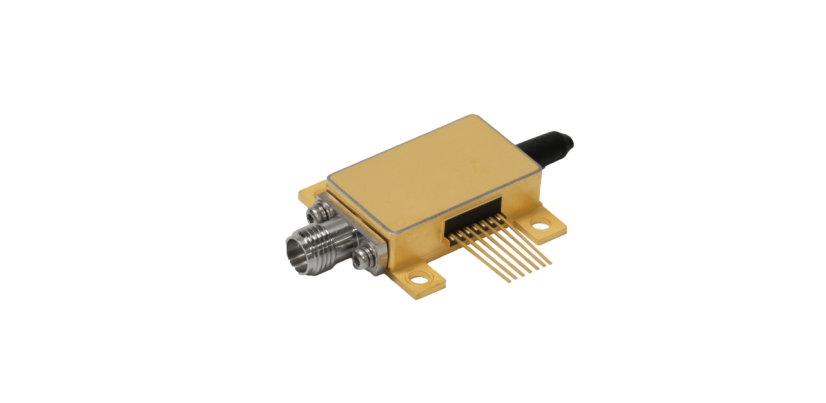
In today’s rapidly evolving photonics industry, staying ahead with the latest technology is crucial. One of the first signs that your high speed optical modulator may be outdated is a noticeable decline in performance metrics. For example, if your modulator cannot reliably support 400G or higher data rates, you might be experiencing limitations in bandwidth and modulation efficiency. At Liobate, we develop TFLN Devices that are specifically engineered to maintain high-speed performance while minimizing insertion loss. Our 20/40 GHz Intensity Modulator, with a 3dB-bandwidth of 40 GHz, insertion loss of less than 4.5 dB, and half-wave voltage below 3.0 V, exemplifies the capabilities of modern modulators designed for next-generation optical networks.
Increasing Energy Consumption
Another indicator of obsolescence is increased power requirements for stable operation. Older modulators may demand higher driving voltages, which can result in inefficiencies and excessive heat generation. Our high speed optical modulator solutions focus on ultra-low power consumption without compromising speed. By leveraging TFLN Devices technology, Liobate ensures that energy efficiency aligns with performance needs. This not only reduces operational costs but also supports scalable deployment in data centers and AI optical networks, where every watt counts.
Compatibility Challenges
As communication systems evolve, compatibility becomes critical. Devices that cannot integrate with newer photonic components or advanced modulation formats can significantly slow down innovation. Users relying on outdated modulators may struggle with emerging standards like 800G or 1.6T optical networks. At Liobate, we offer TFLN Devices that are highly adaptable, allowing seamless integration into existing and future systems. Our modulators are designed to meet the requirements of both high-capacity optical links and specialized applications such as LiDAR and quantum communication.
Maintenance and Reliability Issues
Frequent maintenance or performance fluctuations are often a warning sign that your high speed optical modulator is aging. Components that exhibit signal degradation or increased insertion loss can compromise system reliability. By choosing Liobate’s 20/40 GHz Intensity Modulator, customers benefit from a solution engineered for stability and minimal loss. With half-wave voltage below 3.0 V and low insertion loss, our modulators provide reliable, consistent performance over extended operational periods, reducing downtime and maintenance interventions.
Conclusion: Future-Proofing Your Optical Network
Recognizing signs of technical obsolescence is critical for maintaining efficient, high-speed optical systems. From declining performance to energy inefficiency and compatibility issues, outdated modulators can become bottlenecks. At Liobate, we provide advanced TFLN Devices and high speed optical modulator solutions, including our 20/40 GHz Intensity Modulator, that combine high-speed operation, low insertion loss, and low half-wave voltage. Investing in these modern modulators ensures your optical network remains future-proof, reliable, and capable of supporting next-generation data rates.


 The previous article
 Returns the list